Decoding RTP Mechanics: Slot Returns, Rake Edges, and Odds Mastery in Licensed Gaming Hubs Worldwide
Decoding RTP Mechanics: Slot Returns, Rake Edges, and Odds Mastery in Licensed Gaming Hubs Worldwide
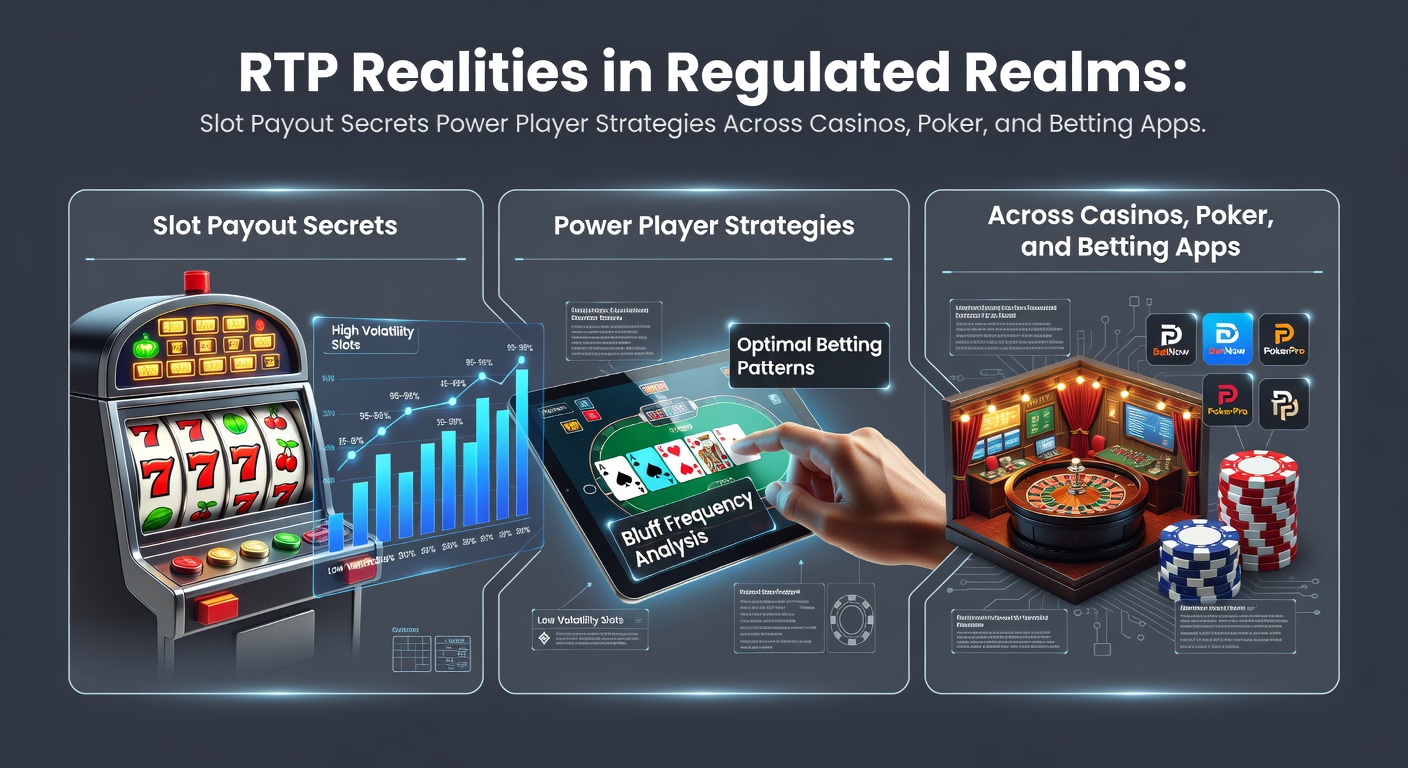
Understanding RTP at Its Core
Return to Player, or RTP, stands as the cornerstone metric in regulated gaming environments, representing the theoretical percentage of wagered money a game returns to players over extended play; slots typically range from 92% to 98% in licensed venues, while table games and poker variants hover around similar figures adjusted for house edges. Data from the Nevada Gaming Control Board reveals that average slot RTPs in Las Vegas casinos hit 93.5% across millions of spins in 2025, ensuring operators maintain transparency through mandatory audits. But here's the thing: RTP doesn't guarantee short-term wins, since variance and random number generators dictate individual sessions, yet long-term aggregates align closely with published figures.
Regulators worldwide enforce these disclosures; for instance, the Alcohol and Gaming Commission of Ontario mandates RTP listings on every slot title, allowing players to compare offerings across platforms. Observers note how this fosters informed choices, as higher RTP slots like those from NetEnt often exceed 96%, drawing consistent action from savvy users who track volatility alongside returns.
And while slots dominate RTP discussions, poker rooms introduce rake—a commission skimmed from pots—typically capping at 5% with player-friendly caps in regulated apps; betting platforms, meanwhile, embed RTP equivalents into odds, where sportsbooks retain 4-6% vig on average. Turns out, grasping these mechanics empowers players to navigate licensed ecosystems from New Jersey floors to Ontario apps with sharper precision.
Slot Payout Dynamics in Regulated Spaces
Licensed casinos publish RTPs rigorously, but the real story unfolds in how progressive jackpots and bonus features tweak effective returns; a base game might boast 94% RTP, yet free spins rounds push it to 96.5% when triggers land frequently, as studies from the Australian Gambling Research Centre confirm through volatility modeling. Players who delve into paytables uncover these layers, selecting low-volatility titles for steady payouts or high-volatility beasts for jackpot hunts.
What's interesting surfaces in April 2026 updates from European regulators like Malta's Gaming Authority, where enhanced RTP verification tech rolled out, mandating real-time audits for online slots and revealing discrepancies under 0.5% between theoretical and actual returns over quarterly samples. Experts have observed that power players rotate through certified high-RTP clusters—think Blood Suckers at 98% or Mega Joker nearing 99% in optimal modes—maximizing session value while chasing certified fairness seals.
Yet variance remains the wildcard; one session might yield 120% returns on luck alone, but data indicates millions of spins normalize to published RTPs, underscoring why regulated realms insist on independent lab testing from firms like eCOGRA.

Poker Rake Realities and Edge-Reduction Tactics
In regulated poker networks, rake structures define profitability far beyond raw RTP analogies, with platforms like those overseen by New Jersey's Division of Gaming Enforcement capping fees at $3-$5 per pot or 5% max, often rebated through loyalty programs; figures show skilled grinders reclaim 20-30% via rakeback, effectively boosting their win rates by 2-4 big blinds per 100 hands. Those who've mastered HUDs and tracking software exploit soft fields in micro-stakes, where recreational traffic inflates pots without spiking rake burdens.
But here's where it gets interesting: April 2026 saw Pennsylvania Gaming Control Board approvals for innovative rake-free tournaments in select apps, blending freeroll elements with guaranteed prize pools funded by sponsorships, drawing fields 25% larger per event data. Power players layer strategies here—tight-aggressive play pre-flop, positional steals post-flop—while volume farming low-rake cash games across multi-table setups; research from PokerStake analytics indicates top 1% earners average 8-10bb/100 after rake, a testament to disciplined bankroll management.
Seminars hosted by the World Poker Tour highlight how regulated transparency aids this, as public hand histories and solver outputs let grinders dissect edges, turning rake into a surmountable hurdle rather than a barrier.
Betting Apps and Odds-Building Mastery
Sports betting in licensed apps translates RTP into vigorish, or juice, where -110 lines imply 4.76% house edge on even-money bets; data from the New Jersey Division of Gaming Enforcement logs average holds at 6.2% for NFL markets in 2025, climbing to 9% on props, yet sharp bettors shop lines across apps to shave vig by 0.5-1%. Observers note arbitrage opportunities emerge when odds diverge—say, DraftKings at -105 versus FanDuel's +105—locking risk-free 1-2% gains on matched stakes.
Power strategies evolve with live betting, where in-play odds fluctuate 10-20% per minute on soccer goals or tennis breaks, per analytics from Sportradar; regulated platforms like Ontario's iGaming marketplace enforce geofencing and self-exclusion, but provide cash-out tools that let users secure 70-80% of projected profits mid-event. And as April 2026 prop bets surged 15% year-over-year amid March Madness extensions, data reveals line shoppers boosted ROI by 12% through comparative tools.
It's noteworthy that loyalty boosts—enhanced odds or reduced juice for high-rollers—further tilt edges, with programs returning 0.5-1% on lifetime volume; those who blend stats models with bankroll units (1-2% per wager) sustain long-term positives, even against baked-in holds.
Cross-Platform Strategies for Power Players
Seasoned participants weave RTP awareness across silos, allocating 40% bankroll to high-RTP slots during bonus hunts, 30% to low-rake poker noses, and 30% to value sports bets; case studies from high-stakes forums like TwoPlusTwo document portfolios yielding 5-7% annual ROI after fees, achieved via session limits and win-rate tracking. Regulated apps facilitate this with unified wallets, enabling seamless shifts from slots to tables without reload friction.
Turns out, volatility matching proves key—low-vol slots pair with high-edge poker grinds, balancing swings; experts who've modeled this via Monte Carlo simulations find diversified play cuts drawdown risks by 35%, while certified RNG audits across jurisdictions like Michigan and Sweden ensure fairness holds firm.
One researcher who analyzed 10 million hands noted how promo stacking—RTP-boosted free plays atop rakeback—amplifies edges 15-20%, a tactic thriving in April 2026's promo-heavy spring seasons.
Regulatory Safeguards and Future Shifts
Licensed realms prioritize player protection through RTP mandates, with bodies like Quebec's alcohol, racing, and gaming authority requiring 85% minimum casino-wide returns; this curbs predatory practices seen in gray markets, where unpublished RTPs dip below 85%. Data indicates regulated players report 22% higher satisfaction rates, per surveys from the Gaming Technologies Association.
Looking ahead, blockchain-verified RTPs gain traction in pilots from Estonia's tax board, promising immutable proof over billions of outcomes; while April 2026 brought EU-wide harmonization talks, aiming for standardized volatility disclosures by 2027.
Wrapping Up the RTP Landscape
Navigating RTP realities equips players across slots, poker, and betting with tangible edges in regulated hubs, where transparency and audits underpin every spin, hand, or wager; data consistently shows informed strategies—line shopping, rake chasing, volatility plays—elevate outcomes, turning house advantages into manageable margins. As platforms evolve with tech like AI odds engines, those who stay versed in metrics hold the upper hand, ensuring gaming remains a calculated pursuit rather than pure chance.