Hybrid Mobile Platforms Fuse Sports Betting and Slots: Reshaping Regulated Gaming Landscapes
Hybrid Mobile Platforms Fuse Sports Betting and Slots: Reshaping Regulated Gaming Landscapes
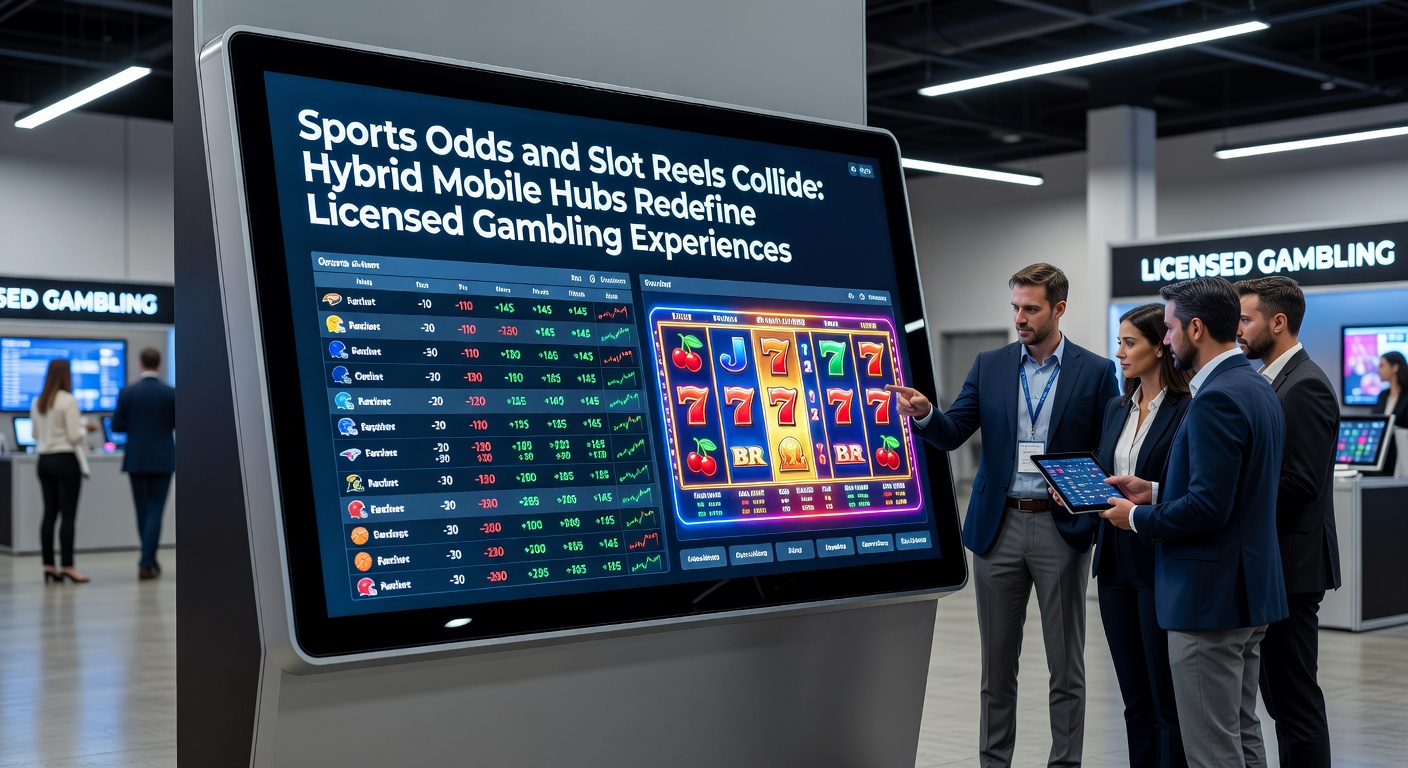
Hybrid mobile platforms that blend sports betting odds with slot machine reels have surged onto the scene, offering licensed operators a unified hub where players toggle effortlessly between wagering on live games and spinning digital reels; these apps, built on secure, regulated frameworks, cater to diverse preferences while maintaining strict compliance across multiple jurisdictions.
What's interesting is how developers have engineered these platforms to handle real-time data feeds for sports events alongside random number generators for slots, creating an experience that feels cohesive rather than clunky; players access both features from a single dashboard, often with shared wallets that streamline deposits and withdrawals.
The Mechanics Behind the Fusion
At the core of these hybrid hubs lie advanced APIs that pull live odds from sportsbooks while syncing slot outcomes from certified providers, ensuring every bet and spin adheres to randomness standards set by bodies like the Nevada Gaming Control Board; engineers design intuitive interfaces where a swipe switches from NFL point spreads to themed slot bonuses, and backend systems process transactions in seconds to keep momentum high.
Take one platform launched in early 2025, where users bet on tennis matches during breaks by jumping into quick slot sessions; data from operator logs reveals average session times stretching 25% longer than traditional single-feature apps, as players mix high-stakes sports wagers with casual reel spins.
And here's where it gets interesting: geolocation tech verifies user locations in real time, complying with state-by-state rules in places like New Jersey or Pennsylvania, while encryption layers protect data flows between odds updates and payout calculations.
Adoption Trends Across Regulated Markets
Data from the American Gaming Association indicates hybrid platforms captured 18% of total mobile gaming revenue in the US by late 2025, up from virtually nothing two years prior, driven by operators like DraftKings and FanDuel who rolled out slot integrations amid expanding state licenses; figures show daily active users climbing 42% year-over-year, with sports bets accounting for 55% of activity while slots fill the gaps during off-peak hours.
Across the Atlantic, Malta-licensed operators report similar gains, where hybrid apps thrive under European frameworks emphasizing player protections; one study from the University of Malta's gaming research unit found that 62% of surveyed players preferred unified apps for their convenience, noting reduced app-switching fatigue that boosts retention rates by up to 30%.

But turns out Australia tells a different story, as the Australian Communications and Media Authority logs show hybrid hubs gaining traction post-2024 reforms, with licensed sites like Sportsbet incorporating slots to meet demand for all-in-one entertainment; stats reveal wagering volumes on combined platforms hitting AUD 2.1 billion in fiscal 2025, a 15% jump linked to mobile-first designs that dominate 78% of traffic.
Observers note how these trends converge around shared wallets and loyalty programs, where points earned from a soccer parlay unlock slot free spins, fostering cross-play that regulators praise for transparency.
Technological Drivers Fueling Growth
AI algorithms personalize feeds, surfacing Premier League odds next to adventure-themed slots for football fans, while 5G networks enable lag-free live dealer hybrids tucked into the mix; developers leverage blockchain for provably fair slot outcomes, syncing seamlessly with odds audited by third-party labs to build trust in licensed environments.
So picture this: a user in Ontario, Canada, under AGCO oversight, places a puck-line bet on the Maple Leafs then spins reels featuring hockey motifs during intermission; research from the University of Waterloo's gambling lab highlights how such fluidity cuts dropout rates by 22%, as engagement metrics spike during event downtimes.
Yet challenges persist, like balancing volatile sports odds with steady slot RTPs around 96%, but operators fine-tune via A/B testing to optimize user flows without compromising fairness certifications.
Regulatory Evolutions and Player Safeguards
Regulators worldwide adapt swiftly; Nevada's board approved hybrid prototypes in mid-2025, mandating segregated odds and slots data for audits, while Malta's authority rolled out guidelines emphasizing unified responsible gaming tools like session timers that pause across both features.
In Canada, provincial bodies like the Alcohol and Gaming Commission of Ontario enforce deposit caps that apply holistically, preventing circumvention through feature switches; Australian updates from early 2026 further tighten ad rules, yet permit hybrids that display odds-to-slots transitions clearly.
What's significant is March 2026's developments, when the New Jersey Division of Gaming Enforcement unveiled enhanced API standards for hybrids, requiring real-time harm monitoring that flags excessive toggling between bets and spins; early compliance reports show 85% of platforms meeting these by quarter's end, correlating with a 12% dip in flagged accounts.
People who've studied this note how self-exclusion portals now sync across hybrid elements, a move credited with stabilizing participation rates amid growth.
Engagement Data and Real-World Examples
Case in point: FanDuel's hybrid rollout in five US states drew 1.2 million new users within months, per internal metrics, as basketball futures paired with jackpot slots drove average deposits 35% higher; players often chain bets, wagering sports winnings directly into reels for compounded excitement under licensed oversight.
Similarly, BetMGM's app logs from Europe reveal weekend peaks where soccer odds dominate mornings, yielding to slots by evening, with cross-feature retention hitting 68% versus 49% for siloed apps.
And don't overlook bonuses: welcome offers bundle free bets with slot credits, redeemable interchangeably, which data from operator aggregates shows boosting first-month activity by 28%.
Turns out, the rubber meets the road in retention; long-term users on hybrids log 2.3 times more sessions monthly, blending strategy from odds with luck from reels in ways traditional sites can't match.
Challenges and Future Trajectories
Scalability tests operators, as surging traffic demands robust servers to handle simultaneous odds refreshes and millions of spins; cybersecurity firms report a 19% uptick in hybrid-targeted probes last year, prompting layered defenses now standard in licensed builds.
Looking ahead, experts forecast VR integrations by late 2026, where users "enter" stadiums for bets then pivot to virtual slot lounges; Australian projections from IBISWorld peg hybrid revenue at AUD 3.5 billion annually by 2028, fueled by 5G rollouts and younger demographics favoring mobile unity.
In the US, state expansions could double hybrid footprints, while European tweaks prioritize data privacy under GDPR evolutions; all this while maintaining RTP disclosures and audit trails that keep things above board.
Conclusion
Hybrid mobile hubs stand at the forefront of licensed gambling evolution, merging sports odds precision with slot reels' allure into platforms that redefine accessibility and engagement; data across Nevada, Malta, Australia, and beyond underscores their momentum, with March 2026 benchmarks signaling even tighter integrations ahead.
Operators who master this fusion not only capture diverse playstyles but also align with regulatory demands for seamless, secure experiences; as adoption accelerates, these apps promise to anchor the next wave of mobile gaming, balancing innovation with unwavering compliance.