Licensing Structures Guide Bonus Release Timelines in Live Dealer and Competitive Gaming Spaces
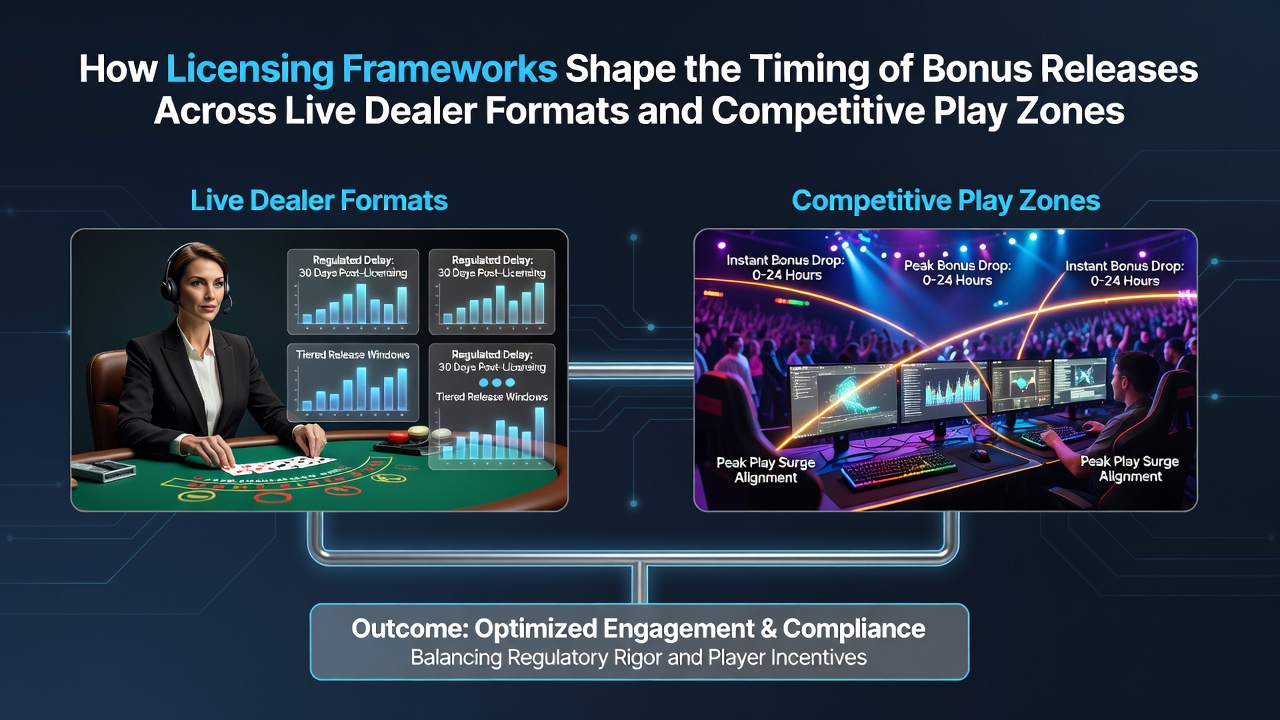
Regulatory bodies across multiple regions set clear parameters around when and how operators may distribute bonuses in live dealer environments, and these rules directly influence release schedules in competitive play zones as well.
Jurisdictions vary in their approach, with some requiring minimum wagering periods before bonuses activate while others tie releases to verified player activity levels, and the differences create distinct patterns for when promotions appear on player accounts. Observers note that these frameworks emerged from efforts to balance operator flexibility with consumer protection standards, which explains why bonus timing often aligns with compliance checkpoints rather than marketing calendars alone.
Regional Differences in Approval Processes
Authorities in places like Nevada and New Jersey enforce distinct review cycles for bonus structures, and these cycles determine how quickly operators can launch timed promotions in live dealer formats. Data from the Nevada Gaming Control Board shows that approval windows for live table incentives typically run 14 to 21 days, which forces operators to schedule releases around those fixed intervals instead of responding to real-time demand spikes. Meanwhile, Australian state regulators such as the NSW Independent Liquor and Gaming Authority apply similar but separate timelines that affect cross-border platforms operating competitive poker zones and live roulette tables simultaneously.
Operators must submit detailed bonus mechanics for review, including release triggers and expiration rules, before any promotion reaches players, and this mandatory step creates predictable gaps between announcement and activation across live dealer offerings. Research from industry reports indicates that platforms handling multi-jurisdictional licenses often stagger releases to match the strictest approval calendar, resulting in coordinated but delayed bonus drops in competitive play zones where speed matters most.
Effects on Live Dealer Formats
Live dealer games face additional scrutiny because real-time interaction requires constant monitoring of bonus eligibility, and licensing rules frequently mandate that releases occur only after identity verification completes during active sessions. This requirement leads to patterns where bonuses activate mid-game rather than at session start, a shift documented in several regulatory filings from European and North American bodies. Those who track these changes point out that such timing reduces disputes while maintaining compliance, though it alters how players experience promotions during blackjack or baccarat streams.
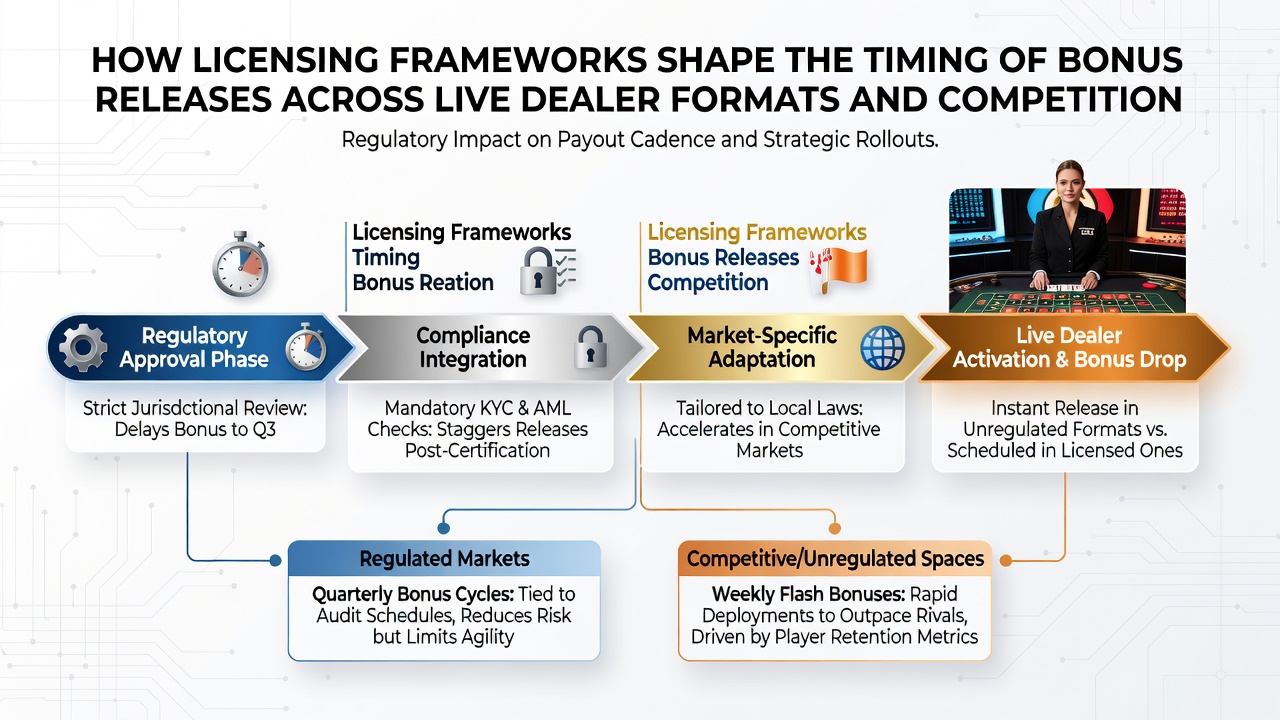
July 2026 marks the scheduled implementation of updated digital verification standards in several markets, and these changes will likely extend approval periods for live dealer bonuses by an additional week in jurisdictions adopting the new protocols. Figures from earlier pilots reveal that platforms already testing the standards experienced a 12 percent delay in bonus rollout compared with prior quarters, a trend that competitive play operators monitor closely.
Influence on Competitive Play Zones
Competitive play zones, including tournament-style live dealer tables and head-to-head betting arenas, encounter stricter release windows because licensing frameworks often classify these areas as higher-risk environments requiring extra oversight. Rules in multiple regions demand that bonus funds clear separate audit stages before distribution, which extends the interval between player qualification and actual credit allocation. Analysts tracking this sector report that operators respond by batching releases at set intervals, typically aligning them with weekly compliance reports rather than daily player milestones.
One documented case involved a multi-state operator that adjusted its entire bonus calendar after regulators in two jurisdictions synchronized their review schedules, and the adjustment produced uniform release dates across live dealer poker and sports-adjacent competitive tables. Such coordination demonstrates how licensing frameworks can override individual operator preferences when overlapping jurisdictions share oversight responsibilities.
Compliance Checkpoints and Player Notification Rules
Many licensing agreements include mandatory notification periods before bonuses reach accounts, and these periods force operators to announce releases days or weeks ahead of activation in live dealer formats. The process protects players from unexpected terms yet creates a lag that competitive play zones must accommodate through advance planning of tournament schedules. Evidence from regulatory submissions shows that failure to meet these notification windows results in postponed releases, which in turn affects operator revenue projections tied to promotional campaigns.
Platforms adapt by building buffer time into their internal calendars, and this practice produces consistent but slower bonus cycles compared with unregulated environments. Researchers examining global data note that jurisdictions with the longest notification requirements also record the most stable bonus usage rates, suggesting that structured timing supports sustained player engagement rather than one-time spikes.
Conclusion
Licensing frameworks continue to shape bonus release timing through approval cycles, verification mandates, and notification rules that apply across live dealer formats and competitive play zones. As July 2026 approaches, upcoming standard updates in select markets will likely reinforce these patterns by extending review durations and tightening compliance checkpoints. Operators navigating multiple jurisdictions maintain synchronized calendars to meet the most restrictive requirements, while data from regulatory bodies illustrates how these structures produce measurable delays yet also promote consistent player experiences. The interplay between regional rules and operational planning remains central to understanding when bonuses appear in regulated live environments.