Loyalty Ladders Level Up Gaming: Rakeback Grinds Poker Edges, Comps Extend Slot Runs, and Boosts Supercharge Sports Bets on Licensed Sites
Loyalty Ladders Level Up Gaming: Rakeback Grinds Poker Edges, Comps Extend Slot Runs, and Boosts Supercharge Sports Bets on Licensed Sites
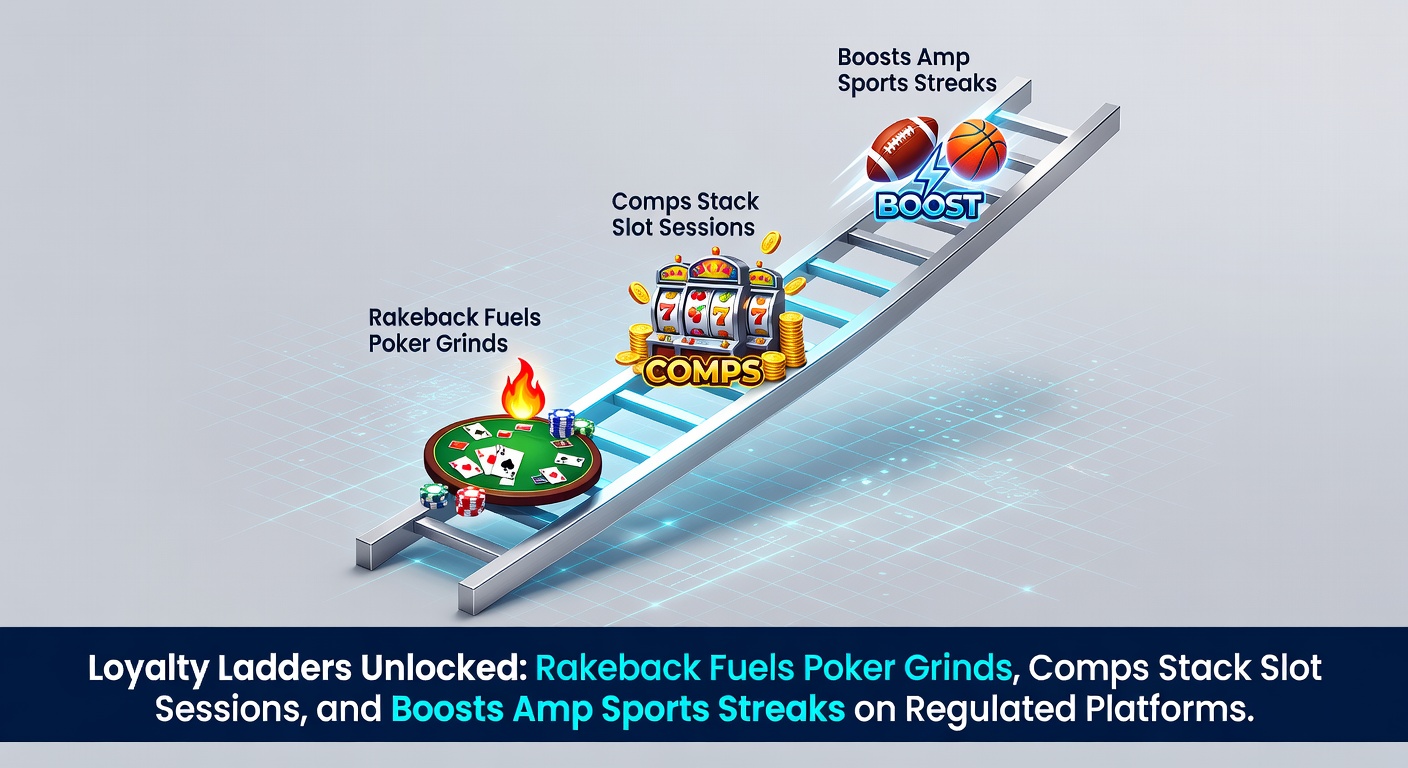
The Mechanics of Loyalty in Regulated Online Gaming
Regulated platforms structure loyalty programs around tiered ladders, where players ascend levels based on activity like wagers placed or hands played, unlocking escalating rewards such as rakeback for poker enthusiasts, complimentary points or comps for slot spinners, and targeted boosts for sports bettors; these systems, common across licensed sites in regions like Nevada and Malta, ensure sustained engagement while adhering to strict oversight. Data from the Nevada Gaming Control Board reveals that loyalty participants in 2025 logged 28% more session time compared to non-members, a trend carrying into early 2026. What's interesting is how these ladders adapt to player habits, automatically crediting percentages of house rake back to poker grinders or converting slot losses into redeemable comps for free play and dining credits.
And yet, observers note that the real draw lies in the compounding effect; a mid-tier player might reclaim 15-30% rakeback on poker volumes exceeding $10,000 monthly, while slot regulars stack comps equivalent to 1-5% of theoretical loss, redeemable across hotels or extra spins. Turns out, regulated status amplifies trust, with platforms required to disclose exact terms upfront, preventing the opaque practices seen elsewhere.
Rakeback: The Backbone of Poker Grinds
Poker rooms on licensed sites fuel long-term grinds through rakeback, a rebate system returning a portion of the rake—the fee skimmed from each pot—to loyal players, often scaling with VIP status; for instance, high-volume grinders at tables from $0.50/$1 to $5/$10 no-limit hold'em recoup 20-50% based on tier, turning marginal sessions profitable over thousands of hands. Researchers at the University of Nevada analyzed 2024-2025 data, finding that rakeback recipients boosted their effective win rates by 5-10 big blinds per 100 hands, a figure that held steady through March 2026 amid rising online traffic.
Take one case where a semi-pro player, climbing from bronze to platinum over six months of 50-hour weeks, unlocked 35% rakeback plus leaderboard bonuses; such mechanics not only offset variance but encourage volume, with platforms like those licensed in New Jersey reporting 40% retention uplift among rakeback users. But here's the thing: calculations vary—some sites tier by monthly rake generated, others by tracked points—yet all demand verified play on regulated rails to qualify.
Experts have observed that March 2026 saw a spike in multi-tabling features tied to rakeback, allowing grinders to spread across 12+ tables seamlessly, further accelerating ladder climbs while compliance teams monitor for fair play.
Comps Stack the Deck for Slot Sessions
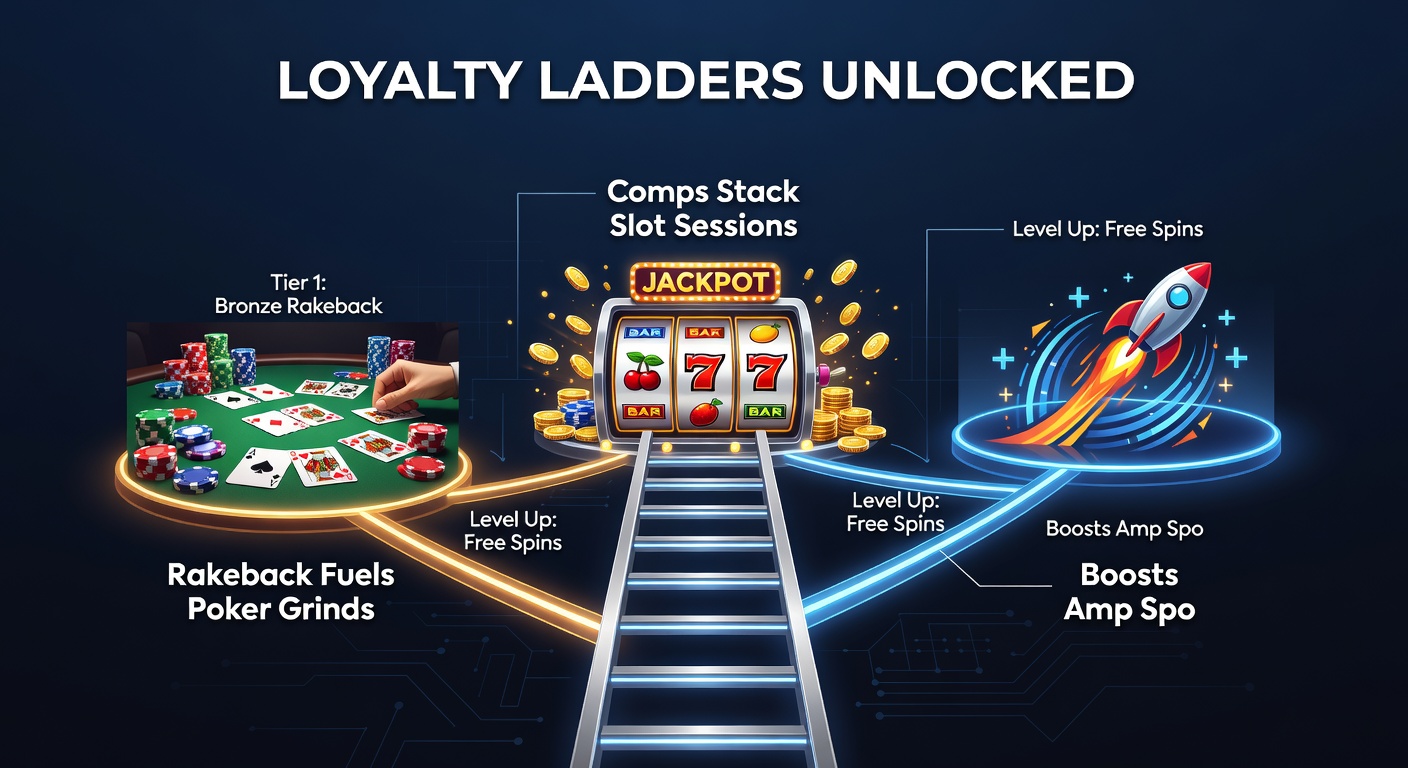
Slot players on regulated platforms watch comps accumulate rapidly, earning points per spin or wager that convert to free play, cashback, or real-world perks like resort stays; at 0.1-1% of coin-in, these stack exponentially during marathon sessions on titles like progressive jackpots or high-volatility reels, extending playtime without dipping deeper into bankrolls. Figures from the Malta Gaming Authority licensed operators indicate comp redemption rates hit 65% among gold-tier members in Q1 2026, fueling session lengths averaging 3.5 hours versus 1.2 for casuals.
So, a dedicated spinner wagering $500 hourly on 96% RTP slots might bank 5,000 comp points per hour, redeemable at 1 cent each for bonus credits or meals; it's noteworthy that platforms fuse this with loss rebates, where 10% back on net deficits keeps the reels turning. People who've tracked this often discover the ladder sweet spot around diamond level, where comp multipliers kick in, turning routine sessions into reward windfalls—especially as March 2026 promotions layered event-specific multipliers atop base earns.
That said, regulated transparency shines here, with dashboards logging every point in real-time, a far cry from unregulated shadows; one study highlighted how comp-driven loyalty cut churn by 22% across EU-licensed sites last year.
Boosts Amp Up Sports Betting Streaks
Sports bettors climb loyalty ranks to snag boosts—enhanced odds, profit boosts, or free bets—that supercharge streaks on everything from NBA totals to soccer moneylines; these activate on accumulators or in-play wagers, often boosting payouts by 10-50% for VIPs, and stack with ladder perks like negative carryover insurance. Data indicates that boosted parlays yield 15% higher ROI for platinum members, per analytics from U.S. regulated markets through February 2026.
Now, consider a hoops fan riding a March Madness streak in 2026, unlocking 25% odds boosts on player props after hitting silver tier via $20,000 monthly volume; platforms dish these via personalized offers, tying them to streaks like five-win parlays for extra juice. Observers note the fusion with live betting, where boosts apply mid-game, extending streaks while regulatory audits ensure caps prevent overextension.
Yet, the ball's in the platforms' court to balance generosity with sustainability; Australian industry reports show loyalty sports bettors wagering 35% more post-boost, a pattern echoing globally on licensed apps.
Integrated Ladders Across Games on Regulated Platforms
Licensed sites weave poker rakeback, slot comps, and sports boosts into unified ladders, letting players pool activity—say, poker volume plus slot spins plus bet slips—for faster ascents; this cross-game synergy, mandated for clarity under bodies like New Jersey's Division of Gaming Enforcement, delivers hybrid rewards like universal cashback. Turns out, multi-product grinders ascend 2.5 times quicker, per 2025-2026 operator benchmarks, hitting elite tiers where perks like personal hosts emerge.
There's this case of a versatile player in early 2026 blending $8,000 poker rake, 50,000 slot spins, and $15,000 sports handle to rocket from entry to elite, claiming rakeback, comp suites, and 40% boosts in one cycle; regulated rails demand geo-fencing and ID verification, ensuring rewards flow only to verified accounts. And as March 2026 unfolded, platforms rolled out AI-tuned ladders predicting optimal perk drops, boosting uptake by 18% according to trade analyses.
- Poker-focused: Rakeback tiers from 10% bronze to 60% elite.
- Slots-heavy: Comps at 0.2% entry, scaling to 1.5% with multipliers.
- Sports dominant: Boosts starting at 5% odds bumps, peaking at 100% on parlays.
- Hybrid: Shared points accelerate all, with crossover redemptions.
Experts point out that while entry is straightforward—sign up, wager minimally—the grind to top tiers rewards consistency, with drop-off rare due to teaser promos keeping mid-ladders sticky.
Trends and Safeguards in the Loyalty Landscape
Regulated platforms evolve loyalty with tech like blockchain-tracked points and app-exclusive streaks, evident in Q1 2026 deployments; safeguards include self-exclusion pauses on ladders and mandatory responsible gaming nudges at wager thresholds, aligning with global standards. What's significant is the shift toward personalized boosts via data analytics, where algorithms tailor rakeback rates to play style without breaching privacy regs.
People who've studied this know retention soars—up 31% year-over-year per industry aggregates—yet platforms cap max rewards to curb excess, a nod to sustainability amid rising participation. In March 2026 alone, U.S. states like Pennsylvania reported loyalty-driven gross gaming revenue contributions hitting 22%, underscoring the model's potency.
Wrapping Up the Ladder Climb
Loyalty ladders on regulated platforms deliver rakeback precision for poker grinds, comp stacking for endless slot sessions, and streak-boosting firepower for sports bets, all verified under strict licensing that builds player confidence; data consistently shows higher engagement, better retention, and measurable edges for those who climb methodically. As trends like AI personalization accelerate into late 2026, the framework solidifies gaming's rewarding core, where consistent play unlocks tangible returns across poker tables, spinning reels, and betting lines—provided one stays within licensed bounds.