Loyalty Structures in Digital Gaming: Tiered Rewards Driving Engagement in Table Games and Wagering
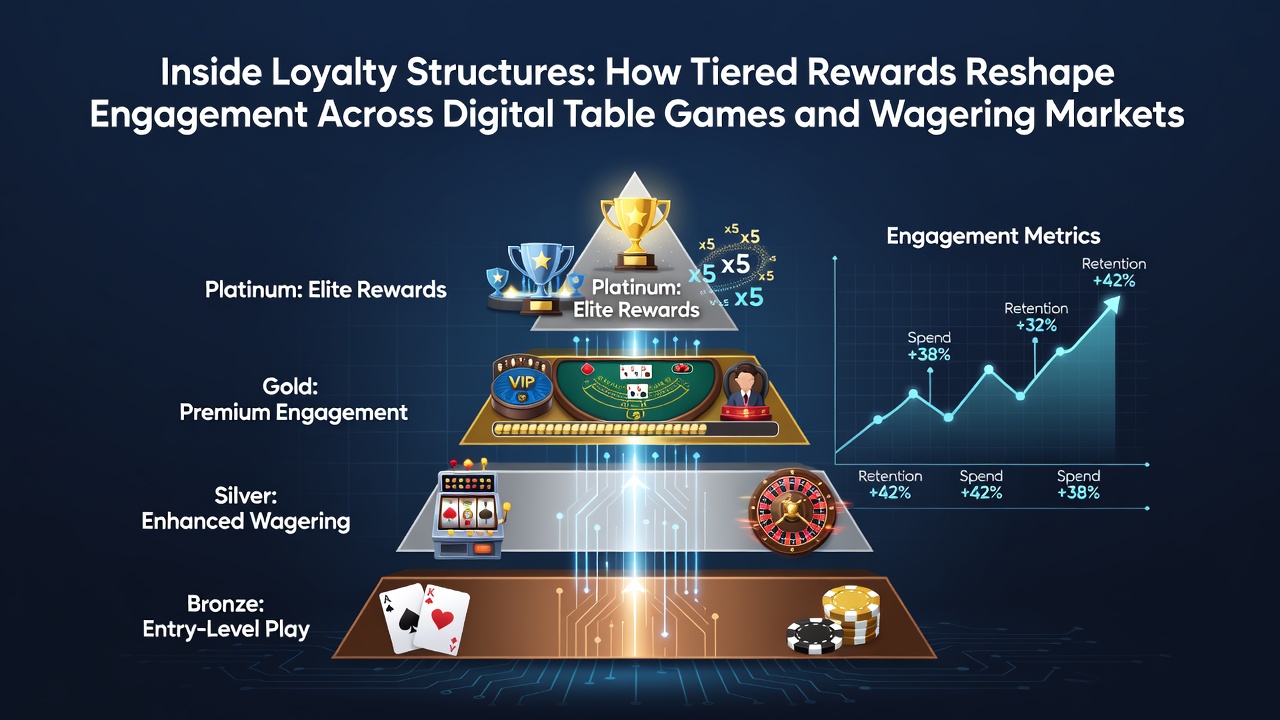
Digital platforms offering table games and wagering options have integrated tiered loyalty structures that assign players to progressive levels based on activity metrics such as wager volume, session frequency, and game variety, and these systems allocate escalating benefits at each tier including bonus credits, reduced house edges on select titles, and priority access to live dealer tables.
Operators track participation through centralized account systems where points accumulate from blackjack, roulette, baccarat, and poker sessions alongside sports and event wagers, while algorithms adjust tier thresholds seasonally to maintain engagement across fluctuating market conditions.
Mechanics of Tier Progression in Table Games
Entry-level tiers grant standard perks such as occasional free spins on associated slot integrations and basic cashback percentages, yet higher tiers unlock multipliers on table game comps, exclusive tournament entries, and personalized strategy tools that players access through dedicated mobile interfaces. Data compiled by the American Gaming Association shows that participants in multi-tier programs record average session durations 28 percent longer than non-members across North American regulated platforms during the first half of 2026.
Table game specialists note that poker rooms within these ecosystems reward rake contributions with tier advancement, granting benefits like reduced tournament fees and reserved seating during peak hours, whereas roulette and blackjack players accumulate points through cumulative bet totals that trigger instant tier upgrades when thresholds are crossed.
Wagering Market Adaptations and Cross-Platform Integration
Wagering markets incorporate the same tier frameworks by linking sports and esports bets to the central loyalty ledger, allowing a single account to progress across verticals, and this connectivity produces compounded rewards where a high-volume sports bettor receives table game rake credits that accelerate advancement in casino tiers. Industry reports from the Australian Communications and Media Authority indicate that hybrid accounts crossing wagering and table game categories increased by 19 percent year-over-year through July 2026, reflecting broader adoption of unified loyalty ledgers.
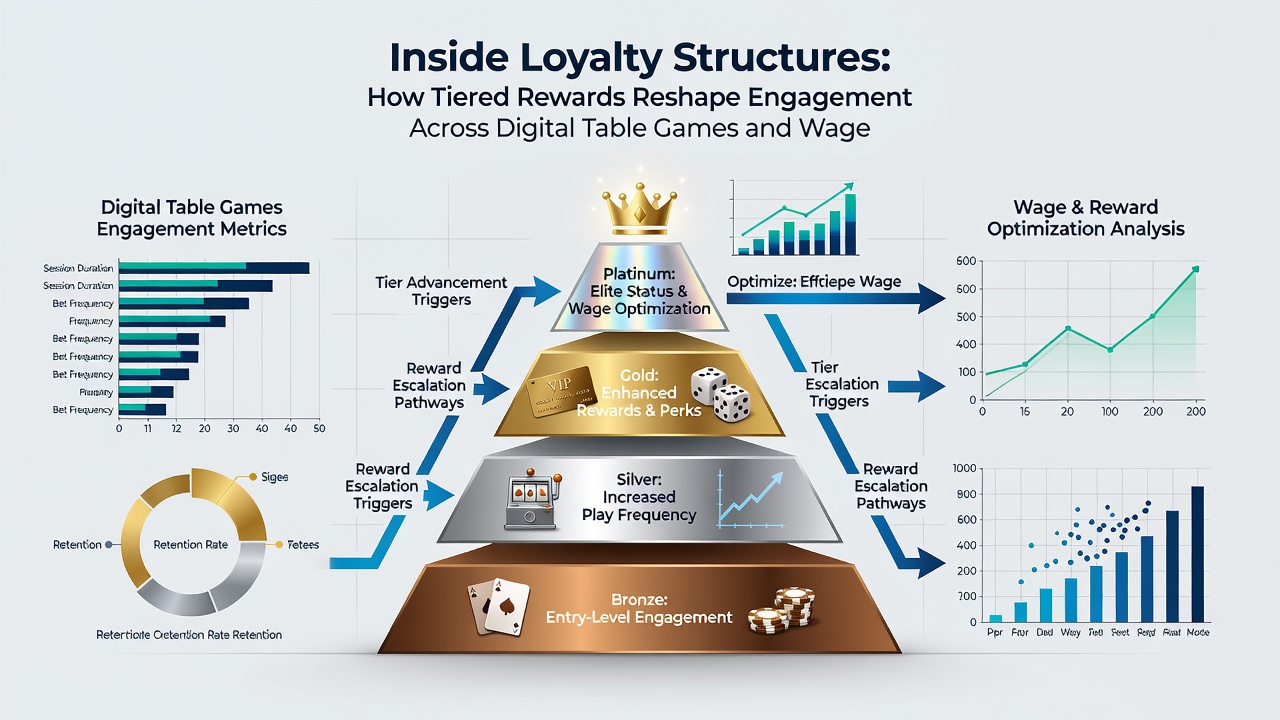
Operators deploy segmented promotions that target specific tiers with tailored incentives, such as enhanced odds on midweek soccer markets for silver-level members or private blackjack tables for gold and platinum participants, and these targeted approaches rely on real-time analytics that monitor play patterns without requiring additional user input.
Regional Regulatory Frameworks and Data Transparency
Regulatory bodies in multiple jurisdictions require operators to publish tier qualification criteria and redemption rates, ensuring participants understand progression paths, while the Malta Gaming Authority mandates annual disclosures on loyalty program economics that detail aggregate points issued and redeemed across licensed platforms. Academic analyses from the University of Nevada, Reno gaming research division have examined retention curves associated with tiered systems and found measurable upticks in repeat visitation rates among players who reach at least the second tier within their first three months of enrollment.
European operators outside the United Kingdom have aligned loyalty structures with responsible gaming protocols by embedding spend-limit reminders at tier upgrade notifications, and Canadian provincial regulators have begun requiring similar transparency measures for online table game and sports wagering licenses issued after 2025.
Technological Enablers and Future Trajectory
Cloud-based player management platforms synchronize tier status across desktop, mobile, and in-venue kiosks, enabling seamless reward access whether a participant switches from live dealer blackjack to in-play soccer wagering, and blockchain pilots in select Asian markets record loyalty transactions on immutable ledgers to reduce disputes over point balances. Observers note that integration with payment providers such as open-banking rails further streamlines reward redemptions by converting tier credits directly into deposit balances without intermediary processing delays.
Projections shared at the 2026 International Gaming Summit suggest continued expansion of cross-market loyalty coalitions that pool data from multiple operators while preserving individual privacy standards, allowing players to carry tier status between licensed environments in participating regions.
Conclusion
Tiered reward architectures continue to influence engagement patterns across digital table games and wagering markets by structuring incentives around measurable activity, and regulatory emphasis on transparency combined with technological interoperability shapes how these programs evolve through 2026 and beyond. Data from diverse sources confirms sustained growth in multi-vertical participation where unified loyalty ledgers connect disparate game types into cohesive player journeys.