Mapping Transaction Influences on Game Accessibility Within Licensed Portable Gaming Ecosystems
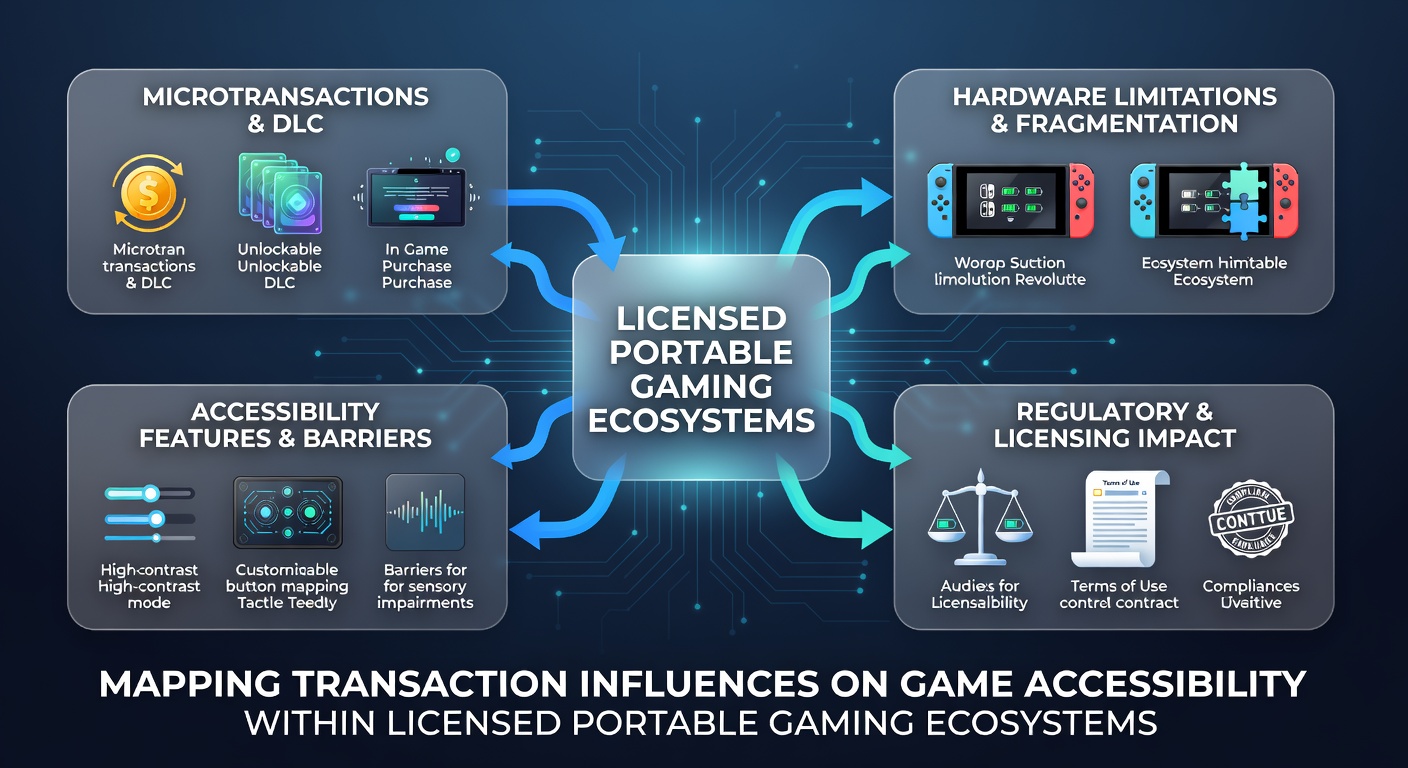
Payment systems shape how players reach games on portable devices within licensed environments, and researchers have mapped these connections through detailed transaction analysis across multiple regions. Data from industry reports indicate that deposit speeds, withdrawal limits, and method availability directly determine which users gain entry to mobile platforms operating under regulatory oversight. Observers note that seamless transactions expand participation while friction points restrict it, particularly in ecosystems where licensing requires compliance with strict financial protocols.
Core Transaction Types and Their Pathways
Digital wallets, bank transfers, and prepaid cards form the primary channels that connect users to licensed portable gaming services, and each option carries distinct accessibility implications. E-wallet integrations allow instant deposits on mobile apps, which broadens reach for players who prefer rapid funding without traditional banking delays. Bank transfers, by contrast, introduce processing windows that can span several days, and this timeline often limits spontaneous access on handheld devices. Prepaid solutions provide another route for those avoiding direct account linkages, yet they impose balance caps that constrain session lengths in regulated mobile setups.
Studies conducted by academic institutions reveal that transaction verification layers add further variables, since identity checks required by licensing bodies affect onboarding times differently across demographics. Regions with streamlined digital verification processes show higher mobile engagement rates, whereas areas enforcing manual reviews experience slower adoption among new users. These patterns emerge consistently when analysts track activity logs from platforms spanning North America, Europe, and Asia-Pacific markets.
Accessibility Metrics Influenced by Payment Flows
Accessibility extends beyond mere entry to encompass session continuity, feature unlocking, and cross-device synchronization, all of which hinge on transaction reliability. Platforms that support multiple concurrent payment rails enable users to switch methods mid-session when one encounters temporary issues, and this flexibility sustains engagement on portable hardware. Conversely, single-method dependencies create bottlenecks that exclude participants during peak hours or regional network disruptions.
Figures from regulatory filings in various jurisdictions demonstrate that withdrawal processing speeds correlate strongly with repeat usage on mobile ecosystems. Faster cash-out options encourage sustained play because players maintain control over funds, while extended waits reduce overall platform retention. Licensed operators must balance these dynamics against compliance mandates, and the resulting transaction maps highlight clear accessibility gradients tied to method diversity.
Regional Variations in Licensed Mobile Ecosystems
North American frameworks emphasize integration with established financial networks, which produces transaction maps favoring credit and debit card dominance on mobile apps. European models incorporate additional consumer protection layers that sometimes extend verification sequences, and this influences how quickly new accounts activate for gaming access. Australian regulatory approaches prioritize responsible transaction limits that cap daily deposits, thereby shaping accessibility boundaries for portable users in that market.
One analysis from a Canadian research consortium tracked mobile gaming sessions across provinces and found that provinces permitting instant bank app transfers recorded elevated participation compared with those relying on slower wire services. Similar disparities appear when comparing Southeast Asian licensed environments, where mobile money services dominate and accelerate onboarding for regional populations. These geographic differences underscore how local payment infrastructure intersects with licensing rules to determine who can readily access games on phones and tablets.
Emerging Patterns and June 2026 Developments
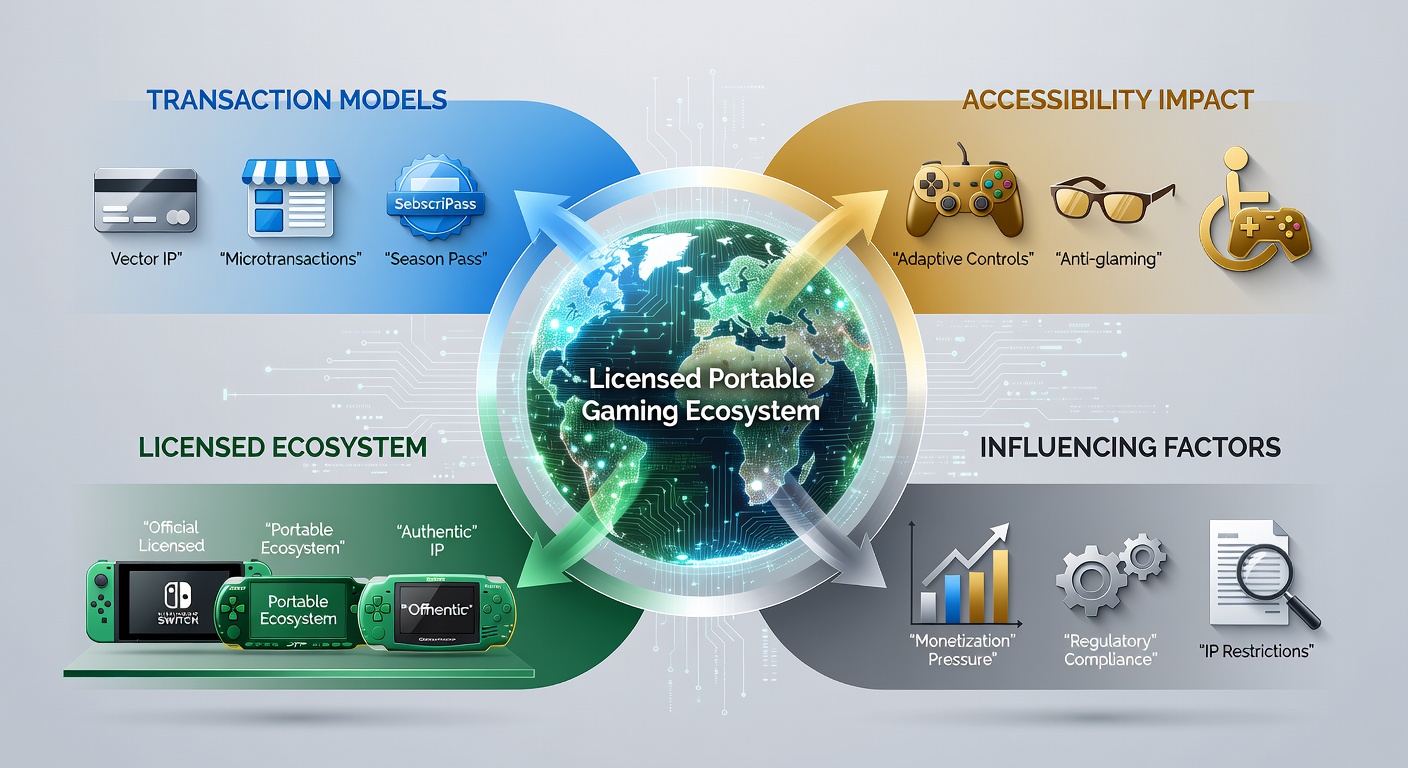
Updates scheduled for June 2026 in several international licensing regimes introduce enhanced transaction monitoring requirements that will further refine accessibility maps. These changes mandate real-time reporting of deposit patterns, which operators must implement without disrupting mobile user flows. Early pilot programs indicate that adaptive systems capable of routing transactions through alternative channels during high-traffic periods maintain broader access levels.
Industry organizations tracking these shifts report that platforms incorporating AI-assisted payment routing achieve more consistent accessibility scores across user segments. Such systems detect potential friction points in advance and reroute funds accordingly, preserving session continuity on portable devices. Data collected through mid-2025 already shows measurable gains in regions where these technologies received preliminary approval.
Conclusion
Transaction mapping provides a clear framework for understanding accessibility within licensed portable gaming ecosystems, and the connections between payment mechanics and user reach continue to evolve under regulatory scrutiny. Evidence from multiple sources highlights how method variety, processing speed, and verification efficiency collectively determine participation boundaries. As frameworks advance toward June 2026 milestones, operators and analysts alike will rely on these maps to navigate compliance while sustaining mobile access across diverse populations.