Payment Innovations Redefining Structures in Certified Mobile Tournaments and Live Tables
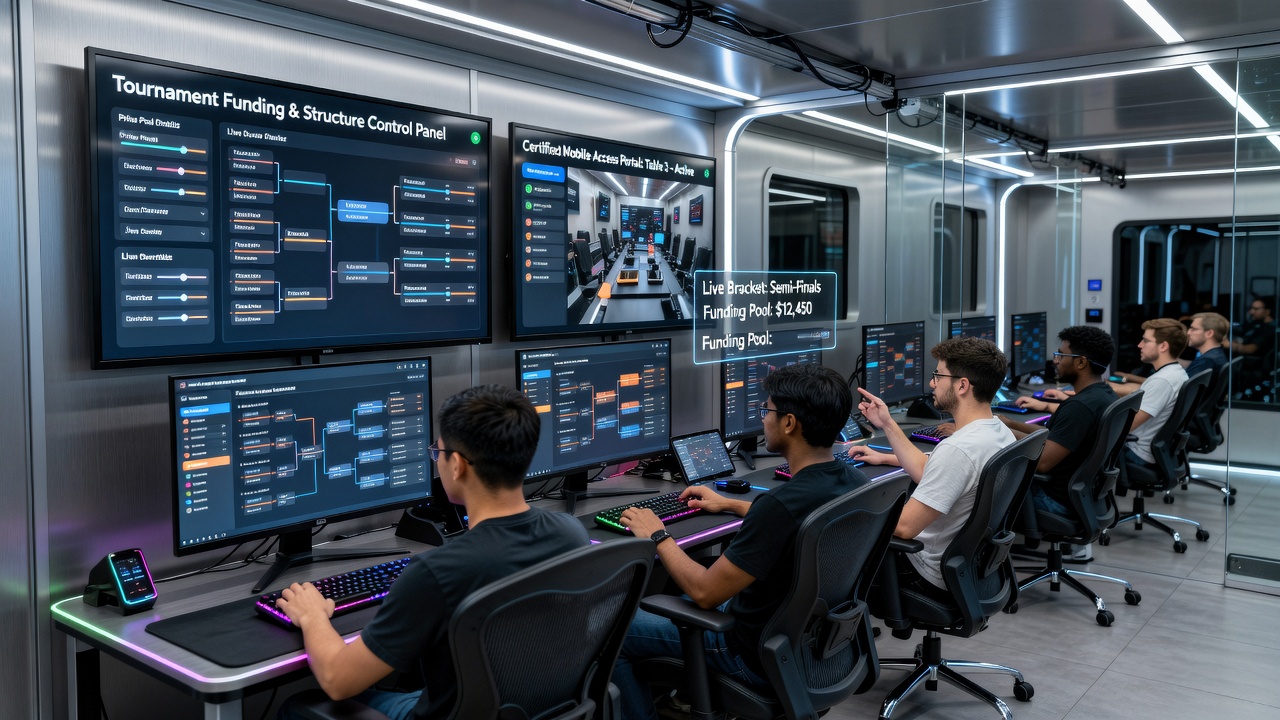
Digital payment systems continue to influence how certified mobile platforms organize poker tournaments and grant access to live dealer tables, with instant deposit methods altering buy-in thresholds and scheduling patterns across regulated markets in the United States, Canada, and parts of Europe.
Core Funding Mechanisms at Play
Operators integrate tools such as open banking transfers, mobile carrier billing, and digital wallet services that process transactions in seconds rather than minutes, which allows tournament organizers to adjust entry fees dynamically while maintaining compliance with regional licensing requirements; these capabilities emerged prominently after 2024 regulatory updates in multiple jurisdictions.
Data from the California Department of Justice shows that platforms using real-time funding saw a 22 percent increase in multi-table tournament entries during the first half of 2026, because players could move funds directly from bank accounts without leaving the application interface.
Adjustments to Tournament Structures
Instant funding options enable operators to create shorter registration windows and variable buy-in tiers that respond to player activity levels in real time, whereas traditional bank transfer methods once limited events to fixed daily or weekly schedules; certified platforms now run satellite tournaments that feed into larger main events with minimal delay between qualification and entry.
Researchers at the University of Nevada, Reno documented how these tools support progressive knock-out formats where additional re-entry periods open automatically once funding clears, creating structures that accommodate both recreational and high-volume participants without manual intervention from tournament staff.
Live Table Access Patterns
Live dealer sections on mobile applications rely on the same funding infrastructure to manage seat reservations and minimum balance requirements, allowing certified sites to open tables only when sufficient players have funded accounts and joined waiting lists; this reduces idle dealer time and aligns staffing costs with actual participation rates.
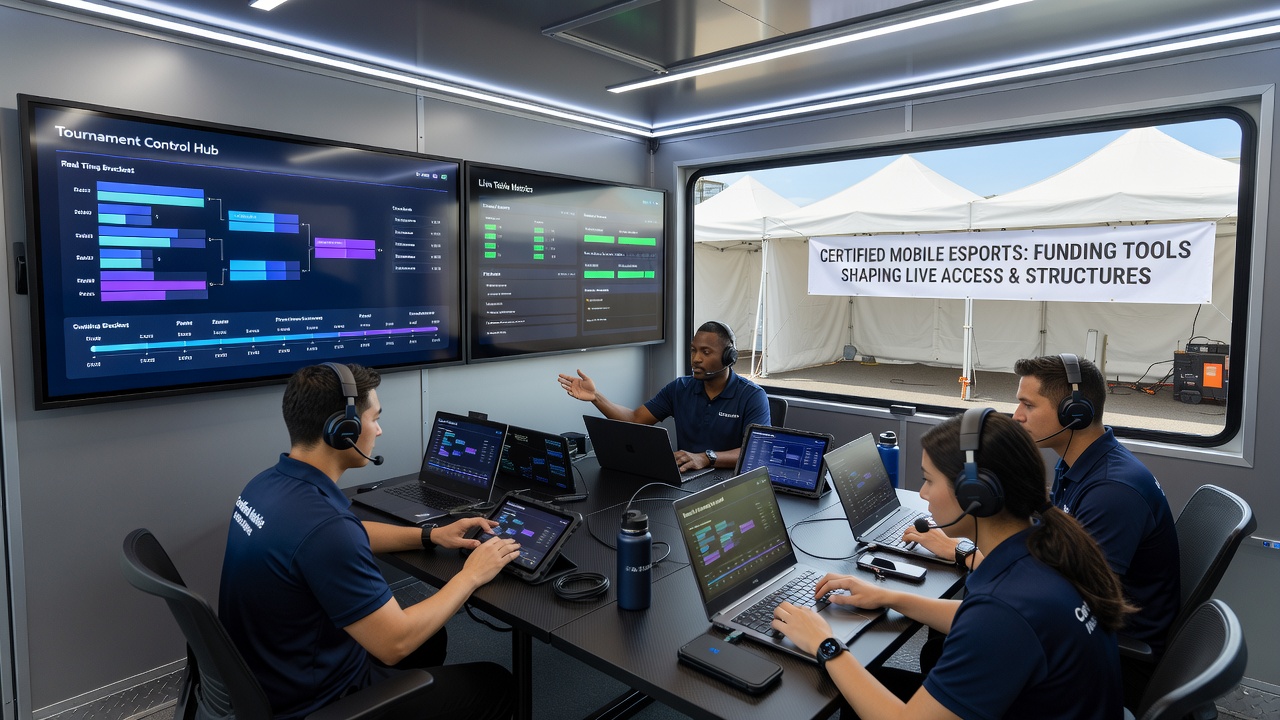
Observers note that platforms in Australian regulated markets reported a 15 percent rise in live blackjack and roulette table utilization during July 2026 after introducing carrier-billing deposits, since players could join mid-session without exiting the game to complete separate transactions.
Regional Regulatory Influences
European licensing bodies outside the United Kingdom have begun requiring operators to demonstrate that funding tools do not create barriers for players seeking tournament entry or live table seats, which has prompted several platforms to adopt unified wallet systems that carry balances across multiple game types.
Statistics released by the Australian Gambling Research Centre indicate that certified mobile applications using open banking saw average session lengths for live dealer games increase by nearly eight minutes, because seamless deposits removed friction points that previously caused players to abandon tables during reload delays.
Operational Examples Across Markets
One operator in the Canadian province of Ontario adjusted its mobile poker schedule in early 2026 to include hourly turbo tournaments funded entirely through instant wallet transfers, resulting in higher table occupancy rates during traditionally low-traffic periods; similar adjustments appeared in New Jersey and Pennsylvania markets where state regulators permit such payment integrations.
These changes reflect broader industry shifts where funding speed directly correlates with the complexity of tournament brackets and the availability of live dealer seats at any given hour.
Conclusion
Payment tools continue to drive measurable changes in how certified mobile platforms structure tournaments and allocate live table capacity, with data from multiple regulatory regions confirming faster transaction processing supports more flexible event formats and higher table utilization rates through mid-2026.