Payment Method Evolution Among Users in Regulated Mobile Wagering Platforms
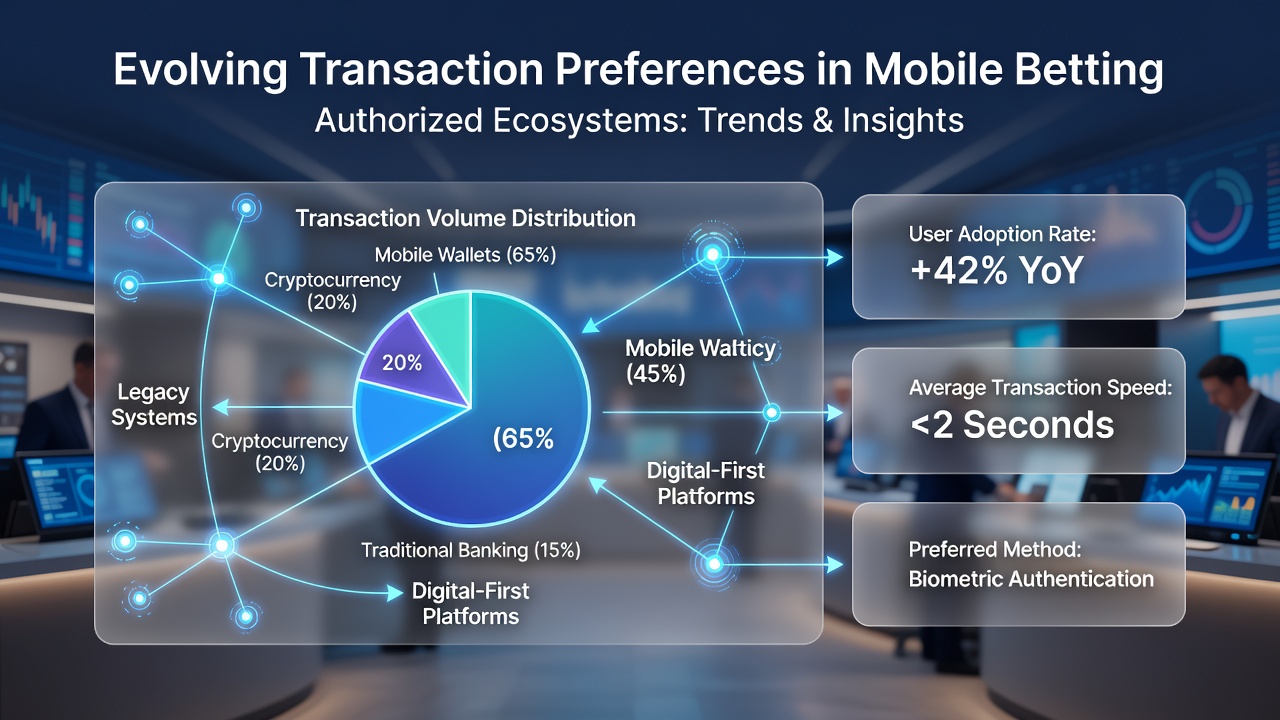
Transaction preferences in authorized mobile betting ecosystems have undergone measurable changes as participants adopt new deposit and withdrawal methods over the past several years. Regulatory frameworks in multiple jurisdictions continue to shape which payment channels remain accessible while data from industry monitoring groups tracks shifts away from traditional card-based systems toward alternatives that integrate directly with banking apps and digital services.
Researchers tracking these patterns note that convenience factors drive much of the movement, with users favoring options that allow instant verification and reduced processing delays. In regions where open banking protocols have gained regulatory approval, transaction volumes through those channels have risen steadily since 2023, according to reports compiled by the Ontario Lottery and Gaming Corporation.
Regional Data on Deposit Method Adoption
Figures collected across North American and European licensed operators reveal that bank transfer volumes increased by double-digit percentages in several markets during 2025, while credit card usage stabilized or declined slightly in the same period. Australian regulatory filings from the same timeframe show similar patterns, with participants in that jurisdiction directing more activity through instant bank payment rails introduced under updated consumer protection guidelines.
Those who've examined transaction logs at scale point out that mobile-native methods, including carrier billing integrations, captured additional market share among younger demographics. Data sets released in early 2026 indicate these options accounted for a growing portion of total deposits on platforms operating under strict licensing regimes in Canada and parts of the European Union.
Security and Compliance Influences
Authorized platforms must maintain compliance with know-your-customer requirements and anti-money laundering standards, which affects how quickly new payment methods receive approval. Operators have responded by expanding support for verified digital wallet providers that already meet these criteria, leading to smoother onboarding flows for participants.
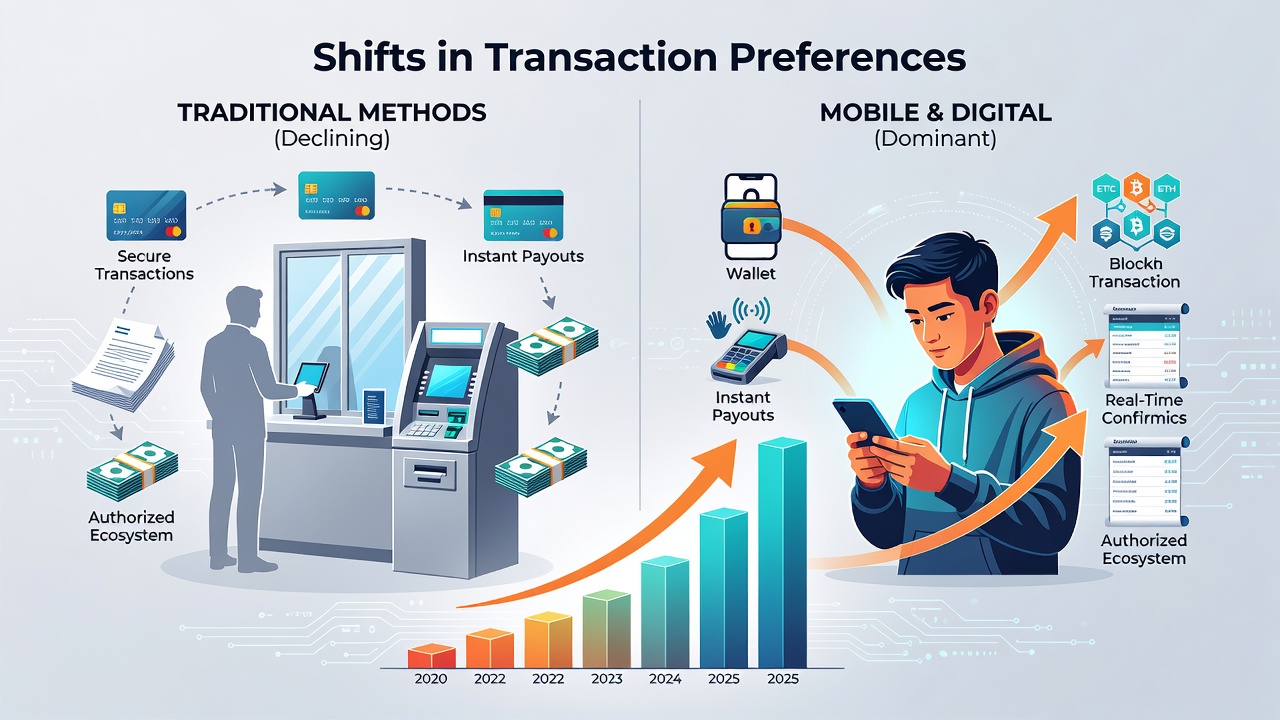
Studies conducted by academic teams at institutions including the University of Nevada, Reno have examined participant behavior in controlled environments and found that perceived security features rank high among reasons users switch methods. Their findings, published in mid-2025, highlight correlations between platform transparency around transaction fees and sustained use of specific payment channels.
Withdrawal Patterns and Liquidity Considerations
Withdrawal preferences have followed a parallel trajectory, with users increasingly selecting methods that minimize hold times. Regulatory updates effective in July 2026 across several Canadian provinces introduced clearer timelines for fund releases, prompting operators to prioritize payment partners capable of meeting those benchmarks. Industry observers note that these policy adjustments coincided with measurable upticks in the adoption of certain instant payout solutions on licensed apps.
Case studies from operators serving multiple jurisdictions show that participants often maintain multiple preferred methods simultaneously, rotating between them based on transaction size and timing needs. This behavior appears more common among frequent users who place higher-value bets and monitor processing speeds closely.
Emerging Technologies and Future Tracking
Blockchain-based verification tools have begun appearing in pilot programs within select authorized ecosystems, though adoption remains limited to jurisdictions that have explicitly authorized their use. Early data from these trials suggests potential efficiency gains for cross-border participants, yet scalability questions persist according to technical assessments shared by gaming technology associations.
Monitoring bodies continue to collect granular transaction data to identify long-term trends. Reports expected later in 2026 will provide updated benchmarks on method distribution, allowing regulators and operators to adjust policies in response to observed participant behavior.
Conclusion
Shifts in transaction preferences reflect ongoing interactions between regulatory requirements, technological capabilities, and participant priorities across authorized mobile betting platforms. Continued data collection from diverse geographic sources will clarify which patterns stabilize and which evolve further in coming reporting periods.