Payment Security Protocols Enhance Participation Rates in Regulated Online Table Game Platforms
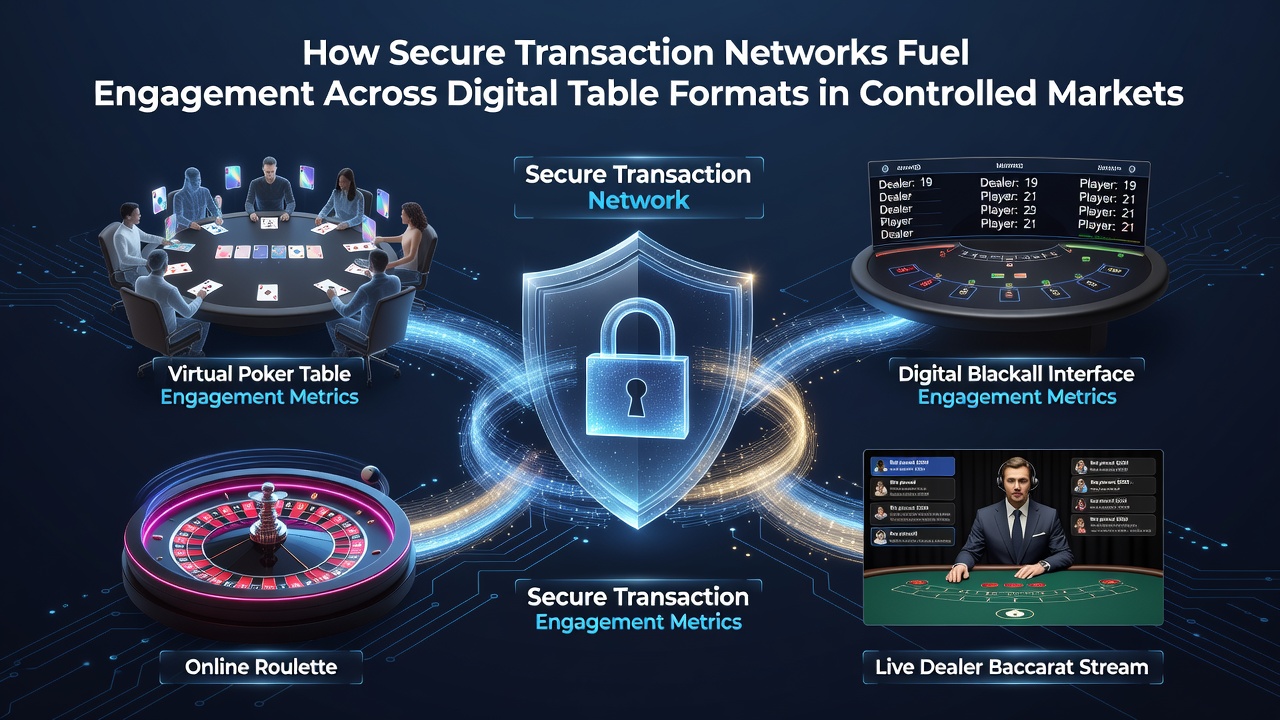 Secure transaction networks form the backbone of regulated digital table gaming environments where poker, blackjack, and roulette operate under strict oversight. These systems rely on layered encryption protocols, real-time fraud detection, and compliance verification that together reduce unauthorized access while maintaining seamless user flows. Data from multiple jurisdictions shows that platforms incorporating advanced payment authentication experience higher session durations and repeat engagement across table formats. Observers note that in controlled markets the integration of secure networks begins with multi-factor verification combined with tokenization of financial details. This approach prevents exposure of sensitive information during deposits and withdrawals, which in turn supports uninterrupted play in live dealer settings. Research from academic institutions tracking fintech adoption in gaming indicates that such measures correlate with increased table game activity because players perceive lower risk when moving funds.
Core Components of Secure Networks in Table Gaming
Transaction frameworks in regulated spaces incorporate several interlocking elements that address both security and speed. Encryption standards such as TLS 1.3 protect data in transit, while secure element chips on user devices handle local authentication. Real-time monitoring systems flag anomalies using machine learning models trained on historical betting patterns, allowing platforms to pause suspicious activity without broad disruption.
Those who have examined market data find that these components work together because they operate at different layers: network-level security handles external threats, application-level controls manage game-specific rules, and regulatory reporting ensures audit trails remain intact. In June 2026 several North American operators reported that upgrades to these layers coincided with measurable rises in table game traffic during peak evening hours.
Impact on Player Engagement Across Formats
Engagement metrics in digital table environments reflect how frictionless yet protected transactions encourage deeper involvement. Players who complete deposits through verified banking channels tend to extend their sessions at poker tables or roulette wheels because the process feels reliable. Figures from industry reports reveal that platforms with instant confirmation for e-wallet transfers see participation in multi-table tournaments climb as users face fewer interruptions.
What's interesting here is the connection between security features and format-specific behaviors. Blackjack sessions often benefit from rapid top-up options that allow continued play after losses, whereas poker tournaments gain from scheduled withdrawal windows that align with tournament structures. Researchers tracking these patterns across controlled markets have documented that secure networks reduce abandonment rates at critical decision points, such as all-ins or side bets.
Regional Examples and Data Trends
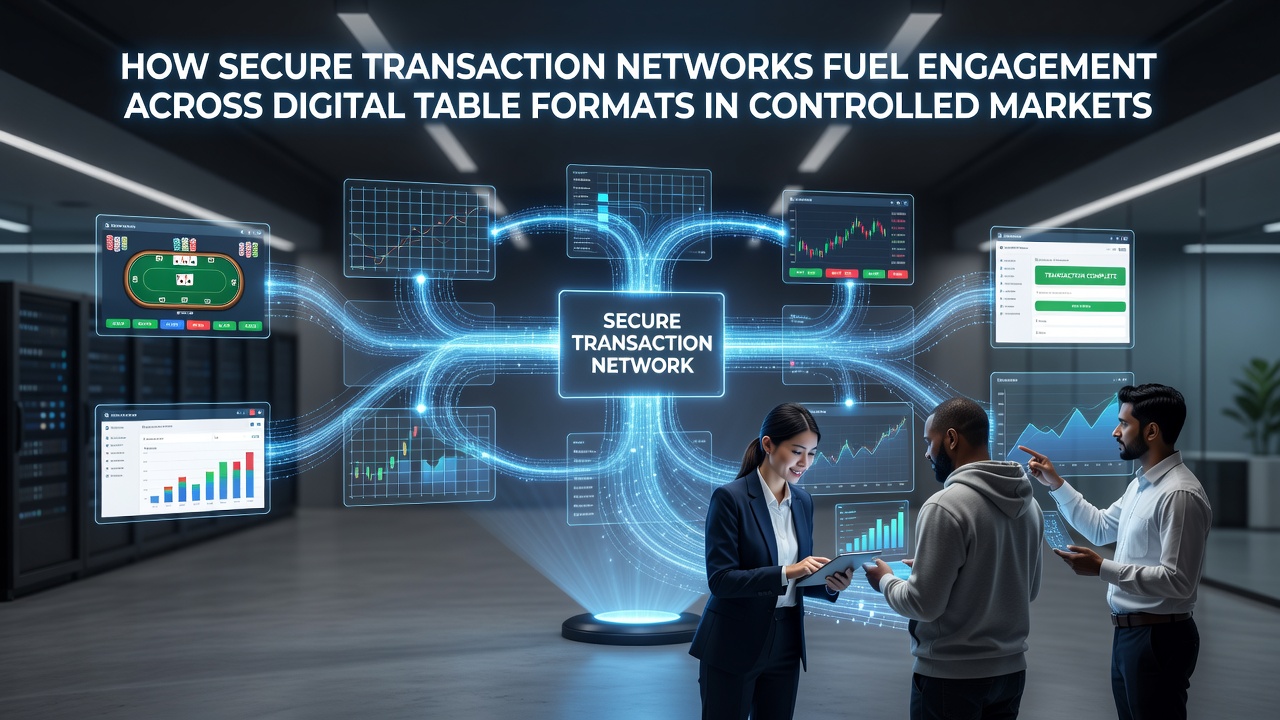
In European controlled markets the European Gaming and Betting Association has compiled statistics showing that licensed operators using open banking integrations recorded steady growth in table game gross gaming yield through the first half of 2026. These systems verify player identities at the point of transaction, which satisfies regulatory requirements while enabling quicker access to cash game tables.
North American jurisdictions present a parallel picture. Data compiled by the American Gaming Association demonstrates that states with mature regulatory frameworks experienced higher volumes of secure mobile deposits into table game products during the same period. Operators attribute part of this trend to the adoption of biometric authentication that pairs with existing payment rails, creating a smoother entry point for new participants.
Canadian provinces offer additional context where provincial regulators have emphasized secure payment gateways as a condition for license renewal. Platforms operating in these regions report that compliance with these standards supports cross-format play, allowing users to transition from slots to table games without re-entering financial credentials. This continuity contributes to sustained engagement because the infrastructure remains consistent across game types.
Challenges and Adaptations in Implementation
Implementing secure transaction networks at scale involves balancing protection with accessibility. Some operators initially encountered delays when rolling out enhanced verification steps, yet adjustments to user interface design have mitigated these issues. Observers tracking adoption rates note that phased introductions, starting with high-value table game accounts, allow systems to stabilize before wider deployment.
Technical teams continue refining fraud detection algorithms to account for evolving threat vectors, including coordinated account takeovers. Because table game environments often feature real-time decision making, any lag in transaction processing can affect player decisions at critical moments. Solutions that prioritize sub-second verification times have therefore become standard in competitive regulated markets.
Conclusion
Secure transaction networks underpin engagement across digital table formats by combining robust encryption, continuous monitoring, and regulatory alignment. Evidence from multiple controlled markets demonstrates that these frameworks support longer sessions and format variety without compromising compliance. As operators refine these systems through 2026 and beyond, the relationship between payment security and table game participation continues to shape platform development in measurable ways.