Phone Billing Transforms Access to Table Games and Event Wagering on Mobile Platforms
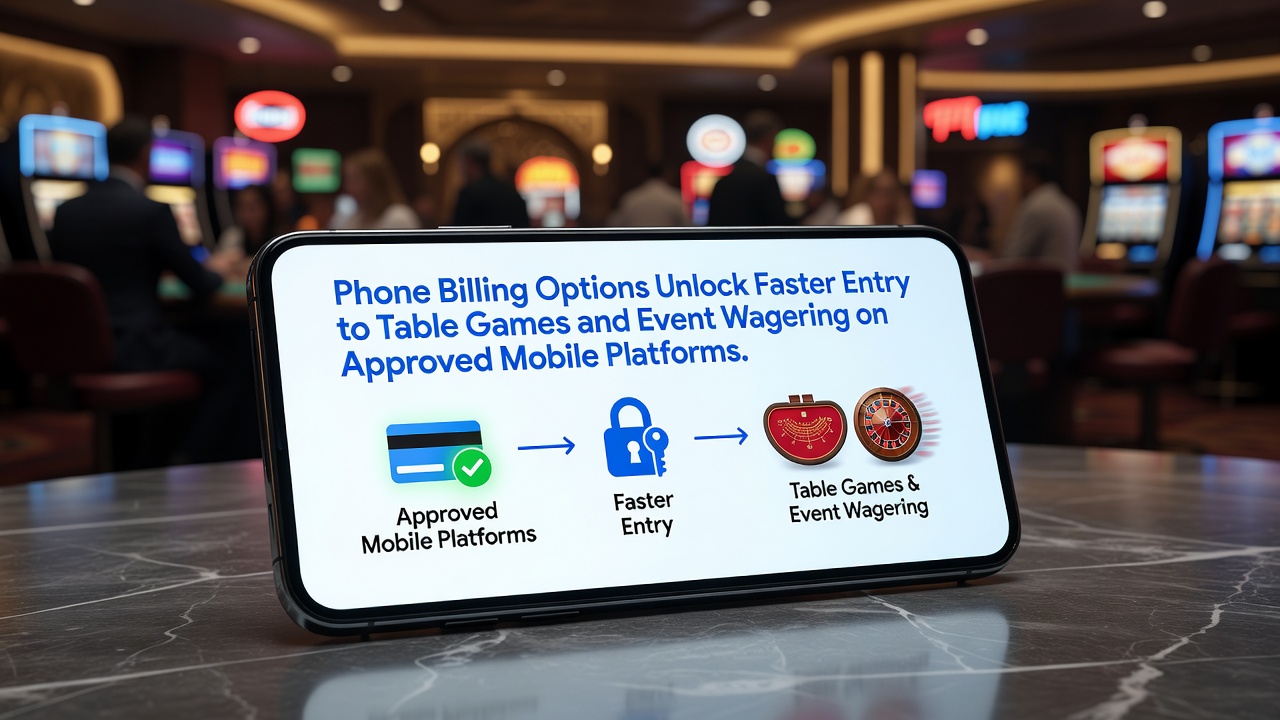
Phone billing options integrate directly into approved mobile platforms and allow users to fund accounts without traditional payment gateways which speeds up entry into table games such as blackjack and roulette along with event wagering on sports and entertainment outcomes. Operators have adopted this method because it reduces friction during deposit stages while complying with regional licensing requirements that govern financial transactions in gaming environments.
How Carrier Billing Supports Quick Deposits
Approved platforms connect with mobile carriers so that charges appear on monthly phone statements rather than requiring separate card details or digital wallet setups. This process works through secure APIs that verify user eligibility in real time and researchers at academic institutions have documented how such integrations cut transaction times by connecting billing systems with gaming servers. Data from industry reports show that players complete deposits in under thirty seconds when using this route whereas other methods often involve additional verification steps that extend the wait.
Those who study mobile payment trends note that carrier billing also handles micro-transactions efficiently which proves useful for smaller wagers common in table game sessions. Because the system ties into existing phone accounts it avoids the need for users to preload funds or navigate third-party processors and this simplicity encourages repeated access to live dealer tables where timing matters during peak hours.
Advantages for Table Game Participation
Table games on mobile platforms demand fast funding especially when sessions involve multiple rounds or side bets that accumulate quickly. Phone billing removes delays associated with bank transfers or e-wallet confirmations so participants move straight from deposit confirmation to game interfaces without interruption. Observers in the sector point out that this speed aligns with the pace of digital roulette wheels and card shuffles that operate continuously on licensed applications.
Platforms that offer these options report higher retention rates among users who prefer seamless entry and one case study from a North American operator revealed increased table game volumes during evening peaks when billing processed instantly. Regulatory bodies in various jurisdictions including the Nevada Gaming Control Board require that such payment methods meet strict security standards which ensures player funds route through encrypted channels before reaching game servers.
Event Wagering Benefits on Mobile Devices
Event wagering covers live sports matches and entertainment outcomes where odds shift rapidly and phone billing enables immediate participation without pausing to handle separate payments. Users select events through app interfaces then authorize charges that post to their phone bills which keeps the focus on betting decisions rather than financial logistics. Figures from research institutions indicate that this method supports higher volumes of in-play wagers because the approval flow integrates with carrier networks that operate globally.
Platforms approved in regions outside the UK such as those overseen by Australian state regulators demonstrate how carrier billing adapts to local rules on responsible gaming limits and these systems often include built-in spending caps that trigger alerts when thresholds approach. What's interesting is the way this payment type scales for international events where time zones affect participation yet deposits remain consistent across carriers.
Developments Around June 2026
By June 2026 several operators expanded phone billing partnerships with carriers in North America and parts of Europe which coincided with updates to mobile platform standards that emphasized faster settlement for table and event products. Government agencies in Canada tracked increased adoption rates during this period and reports from the Canadian Gaming Association highlighted how these options contributed to broader access on regulated applications without altering core licensing frameworks.
Market analyses around that time also showed growth in combined table game and wagering activity on devices that supported direct billing and the trend reflected broader shifts toward integrated financial tools rather than standalone payment apps. Experts who monitor these patterns note that June marked a point where more platforms tested hybrid models that combined carrier options with other methods to offer users flexibility across different game types.
Conclusion
Phone billing continues to streamline access to table games and event wagering by embedding payment processes into mobile platforms that already meet approval criteria across regions. As carriers and operators refine these connections the focus remains on secure efficient transactions that support varied gaming activities while adhering to established guidelines from bodies such as the Nevada Gaming Control Board and similar entities worldwide. Data indicates sustained interest in this approach as it reduces barriers and maintains compliance in evolving digital environments.