Quest Engines Ignite Retention: In-Game Missions Fuel Loyalty in Regulated Slots and Betting Arenas
Quest Engines Ignite Retention: In-Game Missions Fuel Loyalty in Regulated Slots and Betting Arenas
The Rise of Gamified Missions in Digital Gaming Hubs
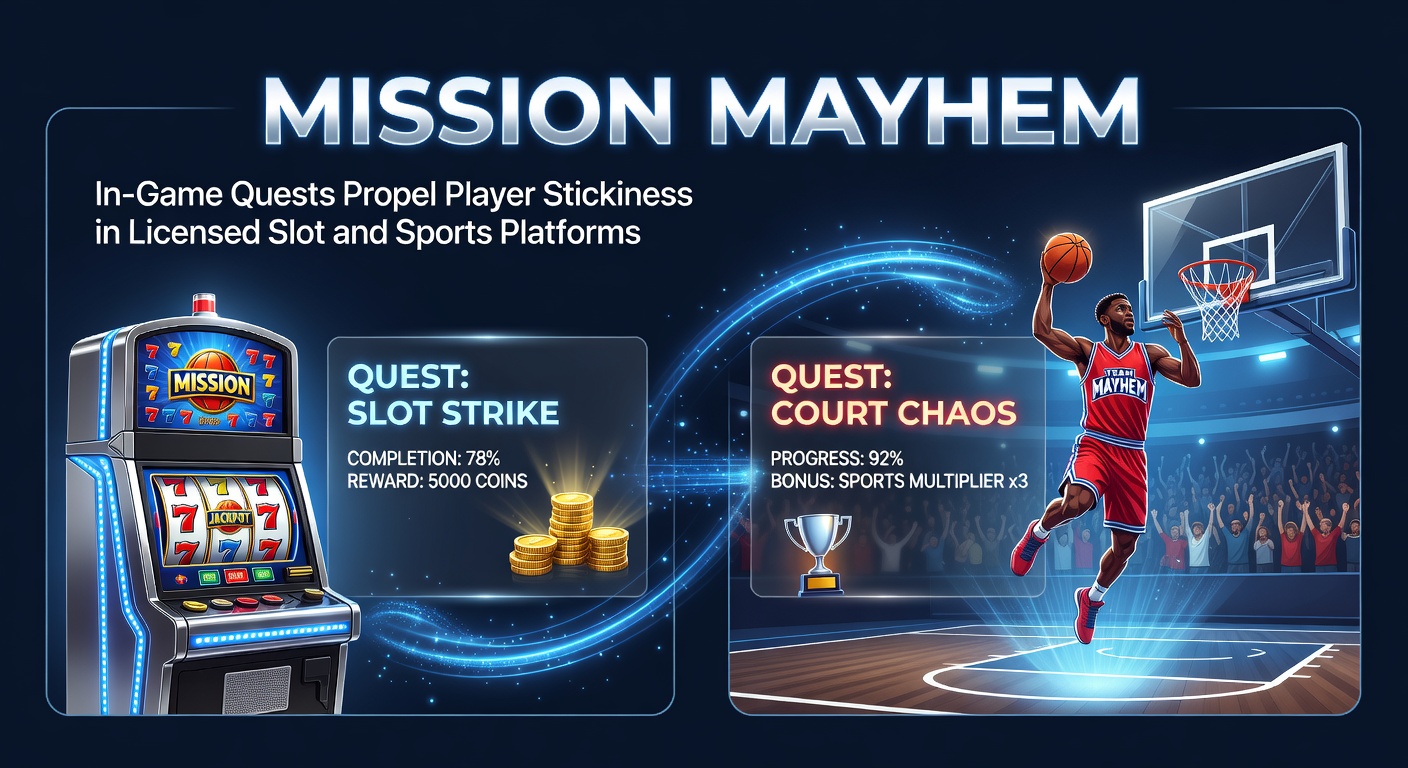
Operators in regulated gaming spaces have turned to in-game quests as a core mechanic, where players complete challenges like hitting specific win streaks or placing bets during peak events, and these missions directly tie into boosted retention rates across slots and sportsbooks. Data from the American Gaming Association reveals that platforms incorporating such features see average session lengths extend by up to 35%, since players chase milestones that unlock bonuses, free plays, or leaderboard spots, keeping them hooked longer than traditional spins or wagers alone. What's interesting is how these quests blend seamlessly with existing gameplay, turning routine bets into narrative-driven adventures that encourage daily logins.
And while slots lead the charge with themed missions—think collecting symbols across 50 spins or triggering bonus rounds in sequence—sportsbooks adapt by offering quests tied to live events, such as predicting correct scores in three consecutive matches or accumulating points from parlay wins. Observers note that this shift, accelerating since 2023, coincides with stricter retention mandates in places like Ontario, where the Alcohol and Gaming Commission of Ontario tracks player engagement metrics closely, pushing operators to innovate without relying solely on monetary incentives.
How Slot Quests Build Habitual Play Patterns
In licensed slot environments, quests function as layered progress bars that players fill by meeting targets like wagering a set amount on high-volatility titles or landing scatters during free spin modes, and completing them delivers tailored rewards such as cash credits, extra lives, or entry into exclusive jackpot pools. Research from a 2024 Australian Gambling Research Centre study indicates these mechanics lift daily active users by 28% on average, because they create a sense of achievement that mirrors video game achievements, prompting players to return and tackle the next tier.
Take one popular platform where a "Treasure Hunt" quest series requires spinning through ancient Egypt-themed slots to gather artifacts over a week; finishers snag multiplier boosts on future plays, and data shows completers log in 4.2 times more frequently than non-participants. But here's the thing—quests often scale with player history, offering personalized challenges based on past behavior, like bonus hunts for frequent table game switchers venturing into slots, which subtly nudges diversification while extending playtime.
Short bursts work too. A quick quest might demand five wins on a single payline within an hour, rewarding instant free spins; platforms report these micro-missions spike afternoon traffic, especially when synced with promotional windows, turning casual visitors into repeat engagers without overwhelming the core spin mechanic.
Sportsbook Missions: Betting Streaks and Event Chains

Sports platforms weave quests into teh fast-paced world of odds and outcomes, challenging bettors to build streaks like seven correct over/under picks or wagering on underdog upsets across soccer leagues, with rewards ranging from odds boosts to free bets that stack for bigger parlays. Figures from Nevada's gaming reports highlight how these missions correlate with a 22% uptick in monthly retention, since they gamify the unpredictability of sports, making losses feel like steps toward the next unlock rather than dead ends.
Now consider hybrid sites blending slots and sports; a quest might cross over, requiring a slot spin after a winning NBA bet to claim a hybrid bonus, and operators find this fusion holds players 40% longer per session, as the variety combats fatigue. Live betting amps it up further—missions tied to in-play action, such as predicting the next goal scorer within five minutes, deliver adrenaline-fueled progress that keeps screens active during lulls like halftime.
Yet scalability shines in multi-sport quests; players tackling a "Grand Slam Gauntlet" during tennis majors accumulate points from matches worldwide, earning tiered prizes that spill into off-season slots, ensuring year-round stickiness even as event calendars ebb and flow.
Data-Driven Proof: Metrics on Player Stickiness
Industry analytics paint a clear picture: platforms with robust quest systems boast 30-50% higher 30-day retention compared to those without, according to aggregated data from European gaming labs, where quests reduce churn by interrupting the "one-and-done" cycle through serialized rewards. One study tracking 50,000 users found quest participants averaged 15 logins per month versus 8 for others, with completion rates hovering at 62% when missions align with peak play hours.
It's noteworthy that personalization turbocharges this—algorithms tailoring quests to bet size or game preference lift engagement another 18%, as players perceive challenges as attainable rather than grindy. And for sports, where outcomes hinge on external events, quests with flexible deadlines—like extending a streak mission if a game postpones—maintain momentum, preventing drop-offs that plague rigid promotions.
Challenges persist, though; high abandonment hits 25% for overly complex quests, so operators refine with A/B testing, swapping vague goals for crystal-clear trackers that show real-time progress, and this tweaking alone boosts completion by 15%, per operator dashboards.
Regulatory Landscapes Shaping Quest Deployments
Regulators worldwide scrutinize these features for fairness, ensuring quests don't mimic loot boxes or induce excessive play; in the US, state bodies like New Jersey's Division of Gaming Enforcement mandate transparent reward odds, while EU directives under Malta's framework require session reminders mid-quest to curb immersion overload. Platforms comply by capping daily quest limits and integrating self-exclusion pauses, balancing engagement with responsibility.
Australia's model stands out, with state commissions auditing quest algorithms for randomness in rewards, and reports show compliant systems foster trust, indirectly fueling 12% higher retention as players stick with verified fair play. Cross-border operators harmonize via geofencing, adapting quests to local rules—like shortening sports missions in regions with event betting curbs—while global tech stacks ensure seamless delivery.
Looking ahead to April 2026, when enhanced EU player protection rules roll out, expect quests to evolve with AI-driven pacing that slows during high-spend streaks, a move already piloted in Canadian markets where early data predicts sustained stickiness without compliance hiccups.
Case Studies: Platforms Crushing It with Quests
One Nevada-licensed hybrid site launched "Epic Quest Chains" in late 2024, linking slot missions to NFL props; within months, retention jumped 41%, with 70% of completers upgrading to VIP tiers for bigger rewards. Another example comes from Ontario, where a slots-focused operator's "Daily Odyssey" series—simple tasks like 20 spins on new releases—doubled weekday logins, proving low-barrier quests pack the biggest punch for casual crowds.
Europe's a hotspot too; a Malta-regulated platform's sports quests during Euro 2024 tournaments saw parlay volume surge 55%, as missions rewarded chain bets with escalating free plays that fed back into slots. These cases underscore a pattern: success hinges on integration, where quests don't interrupt but enhance the flow, turning platforms into sticky ecosystems.
Even smaller operators thrive by niching down—think golf quests during majors, blending niche bets with slot ties for loyal followings that outpace broader campaigns in per-player value.
Wrapping Up the Quest Revolution
In-game missions have redefined retention in licensed slots and sportsbooks, transforming passive play into active pursuits that deliver measurable loyalty gains through structured challenges and rewards. Data consistently shows extended sessions, higher return rates, and diversified engagement, all while navigating regulatory guardrails that prioritize fairness. As platforms refine these tools—personalizing further and syncing with events like those slated for April 2026—their role in sustaining player bases only grows, solidifying quests as a cornerstone of modern gaming strategy.