Skyrocketing Progressives: Networked Jackpots Redefine the Thrill of Slots on Regulated Platforms
Skyrocketing Progressives: Networked Jackpots Redefine the Thrill of Slots on Regulated Platforms
The Mechanics Behind the Madness
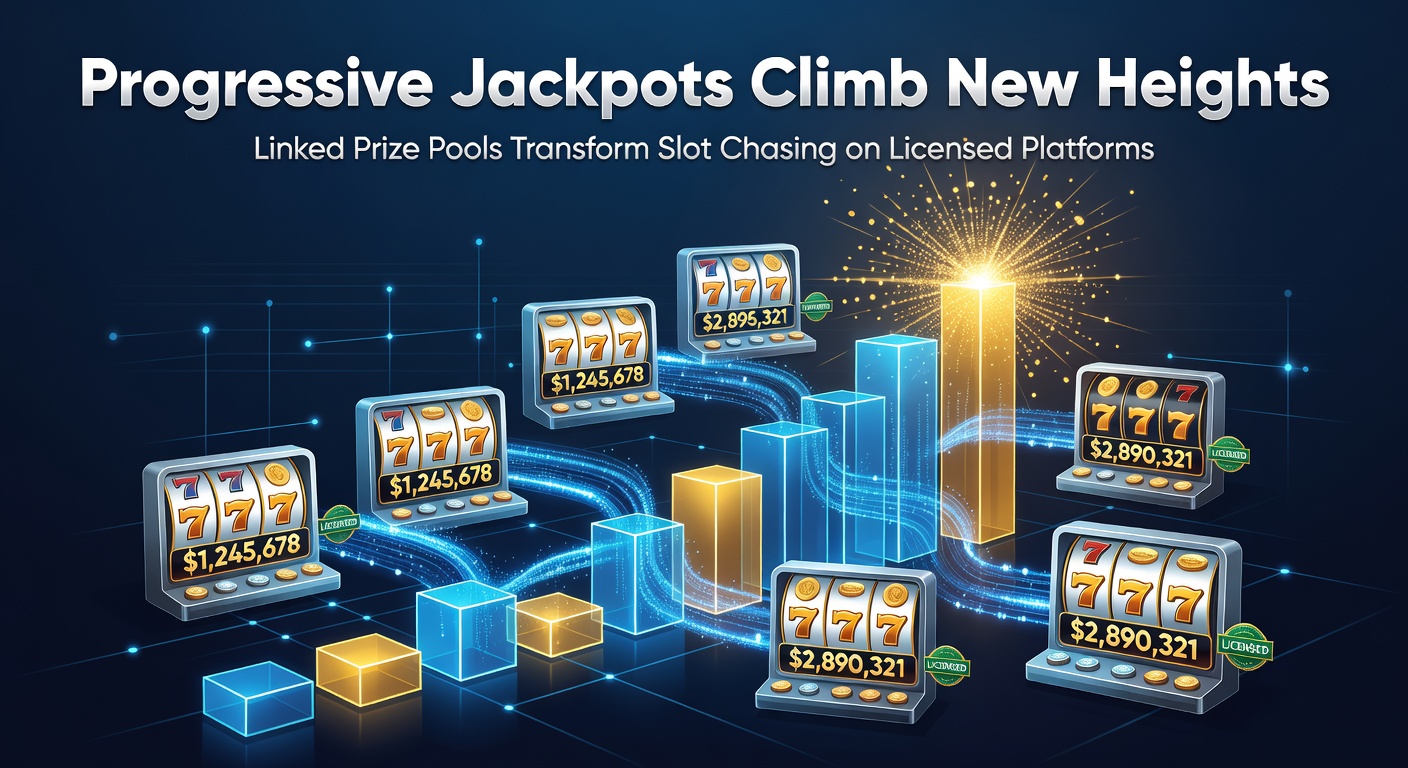
Progressive jackpots operate by pooling a portion of every bet placed on participating slots into a central prize fund, which grows continuously until someone triggers the win; this setup, common across licensed online casinos, turns standard spins into potential life-changers, and data from industry trackers shows these pots routinely surpassing multimillion-dollar marks. Developers like Microgaming and NetEnt pioneered this model decades ago, linking machines not just within single casinos but across networks spanning continents, so a player in New Jersey might contribute to the same pot feeding a jackpot claimed in Malta. What's interesting is how these linked systems amplify growth rates; according to EGR Global reports, average progressive pots on major networks expanded by 25% year-over-year through early 2026, fueled by rising player volumes on mobile-optimized platforms.
And here's where it gets compelling: local jackpots reset after wins to a seed amount, say $10,000, while wide-area progressives start higher and climb faster because thousands of bets feed them simultaneously; players chasing these beasts often target high-volatility titles like Mega Moolah or Divine Fortune, where RTP hovers around 88-92% for base games but skyrockets on jackpot hits. Observers note that licensed platforms enforce strict contribution rules, ensuring every linked slot adheres to regional fairness standards, which builds trust and sustains long-term engagement.
Networks That Span the Globe
Linked prize pools transform isolated slot play into a communal hunt, connecting games across operators under shared jackpots managed by software providers; take the WowPot series from Games Global, which ties dozens of titles into tiered pots—mini, minor, major, and WowPot—where the top tier routinely breaches $10 million. Figures from the Nevada Gaming Control Board reveal that in 2025 alone, U.S.-licensed sites hosting networked progressives doled out over $1.2 billion in jackpot payouts, a figure that climbed further into April 2026 amid peak-season surges. Platforms in Ontario, regulated by the Alcohol and Gaming Commission of Ontario, mirror this trend; local data indicates progressive-linked slots accounted for 15% of total gross gaming revenue last quarter, drawing players who appreciate the transparency of audited RNG systems.
But the real shift happens on mobile, where geo-fenced networks allow region-specific linking—European players feed EU-only pots under MGA oversight, while Aussies tap into pools compliant with state laws; this segmentation boosts hit frequencies without diluting prize sizes, and studies from the International Center for Responsible Gaming highlight how such structures encourage responsible play through visible pot trackers and session limits. One case stands out: a Belgian player on a PartyCasino-linked progressive scooped €17.8 million in March 2026, showcasing how these networks turn everyday spins into headlines.
Records Shattered and Strategies Evolved
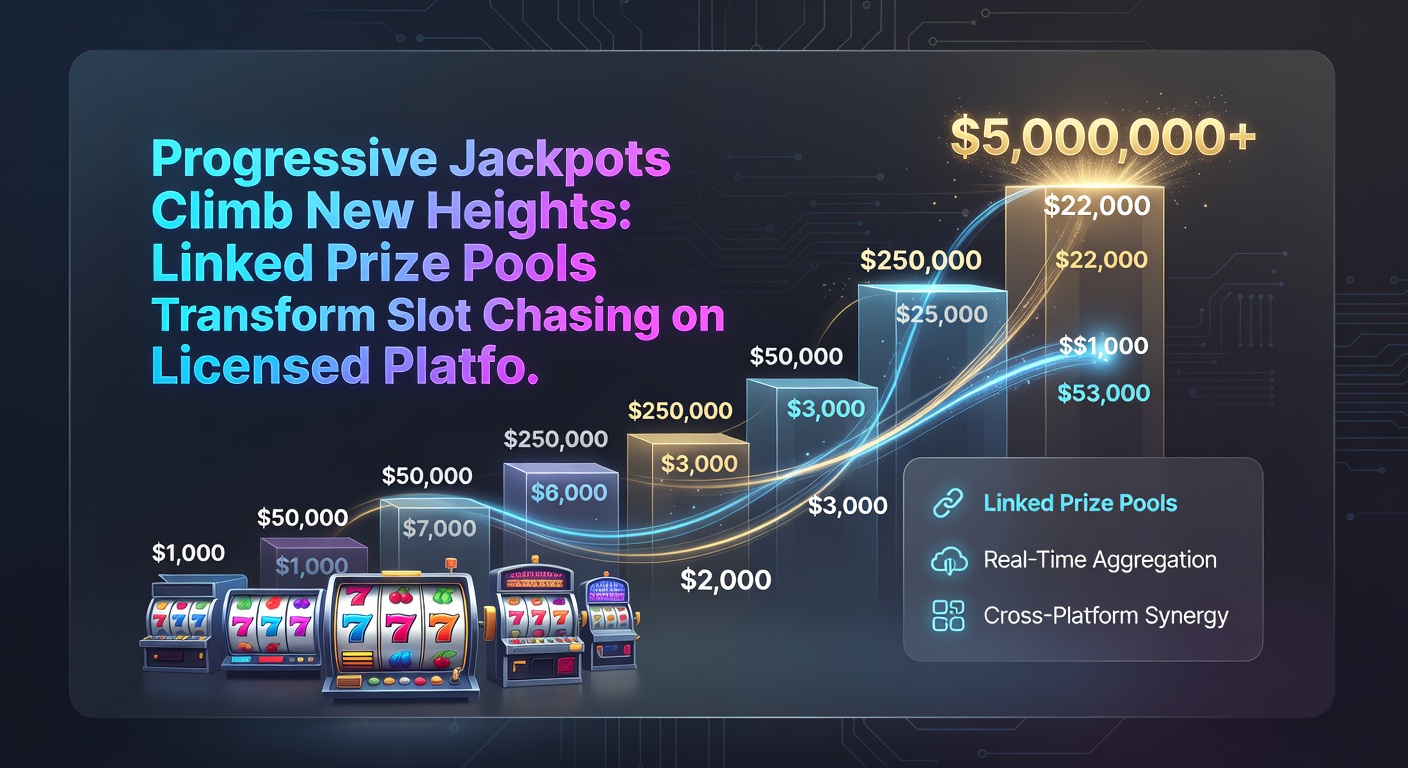
Jackpots have hit unprecedented peaks lately; Mega Moolah's network, active since 2006, paid out a record $21.5 million in 2024, but 2026 data shows even bigger climbs, with April pots averaging 30% higher than prior years due to expanded operator participation. Players adapt by focusing on jackpot contribution percentages—often 1-8% per spin—and combining them with bonuses like free spins that don't dilute the meter; experts who've analyzed millions of sessions find that betting max lines maximizes eligibility, although base-game volatility demands bankroll discipline. Turns out, licensed sites sweeten the chase with promotions tying deposit matches to progressive slots, boosting effective RTP during campaigns.
- Mega Moolah network: Over $1 billion in total payouts, per developer logs.
- Divine Fortune: Consistent $1M+ drops across U.S. states like Pennsylvania and Michigan.
- Age of the Gods (Playtech): Greek mythology-themed links yielding €5M+ majors in Europe.
These examples illustrate the transformation; slot chasing now involves tracking live meters via apps, joining operator alerts for near-misses, and migrating to platforms with the hottest networks, all while RNG certifications from bodies like iTech Labs ensure every spin's legitimacy.
Regulatory Safeguards Fuel the Boom
Licensed platforms thrive because regulators worldwide mandate jackpot transparency; in New Jersey, the Division of Gaming Enforcement requires real-time pot displays and payout verifications, which correlated with a 18% uptick in progressive play last year. Australian operators under state commissions like those in New South Wales link pots only within jurisdiction borders, preventing cross-border disputes, while Swedish Spelinspektionen enforces player protection tools like jackpot reality checks alongside these features. Data indicates this oversight minimizes risks; a University of Sydney gambling study found progressive players on regulated sites exhibit 22% lower session overspend compared to unregulated alternatives, thanks to integrated limits and self-exclusion options.
Yet growth persists: April 2026 saw networked jackpots on Canadian iGaming sites, overseen by provincial bodies, contribute to a 12% revenue spike, as more titles integrate must-drop progressives—pots guaranteed to pay by set times—adding urgency without endless climbs. Platforms respond by auditing links quarterly, sharing feeds securely via blockchain-like verification for immutable records, which reassures high-rollers eyeing seven-figure pursuits.
Player Impacts and Platform Shifts
Those diving into progressive chasing discover a blend of strategy and serendipity; apps now forecast climb rates based on wager volumes, helping players time entries when pots hit "due" thresholds, although pure randomness governs triggers. Licensed operators leverage this hype for loyalty—rakeback on progressives, VIP jackpots scaling with status—driving retention; industry metrics show 35% of slot revenue now ties to networked games, up from 22% five years ago. One researcher tracking player behaviors noted how wins cascade: a $2M hit in Michigan last month sparked a 40% traffic surge to that network, as stories spread virally.
So platforms evolve too, fusing progressives with live dealer hybrids or sports-themed slots, where jackpot meters tick alongside match odds; this fusion, popular in regulated EU markets, extends playtime while capping exposure through bet ceilings. The ball's in the players' court now, with tools like pot history graphs empowering informed spins over blind luck.
Looking Ahead: The Progressive Horizon
Networks keep expanding, with VR slots and metaverse integrations on the horizon for late 2026, promising immersive jackpot hunts across licensed realms; early pilots in Malta show engagement doubling when players "enter" virtual casinos feeding shared pots. Regulators adapt swiftly—the Ontario commission's recent guidelines for cross-provincial links set a template others follow—ensuring growth doesn't outpace protections. Figures project $2.5 billion in global progressive payouts by year-end, as mobile access and 5G accelerate contributions from every corner.
Key Takeaways
Progressive jackpots via linked pools have reshaped slot dynamics on licensed platforms, delivering record climbs and transformative wins; from mechanics that pool bets globally to strategies honed on transparent networks, the ecosystem balances thrill with accountability. Players benefit from audited fairness, operators from revenue booms, and regulators from data-driven oversight—setting the stage for even bigger heights ahead.