Slot Ecosystems Under Scrutiny: Licensing Rules Reshape Promotional Mechanics and Game Variety on Verified Mobile Platforms
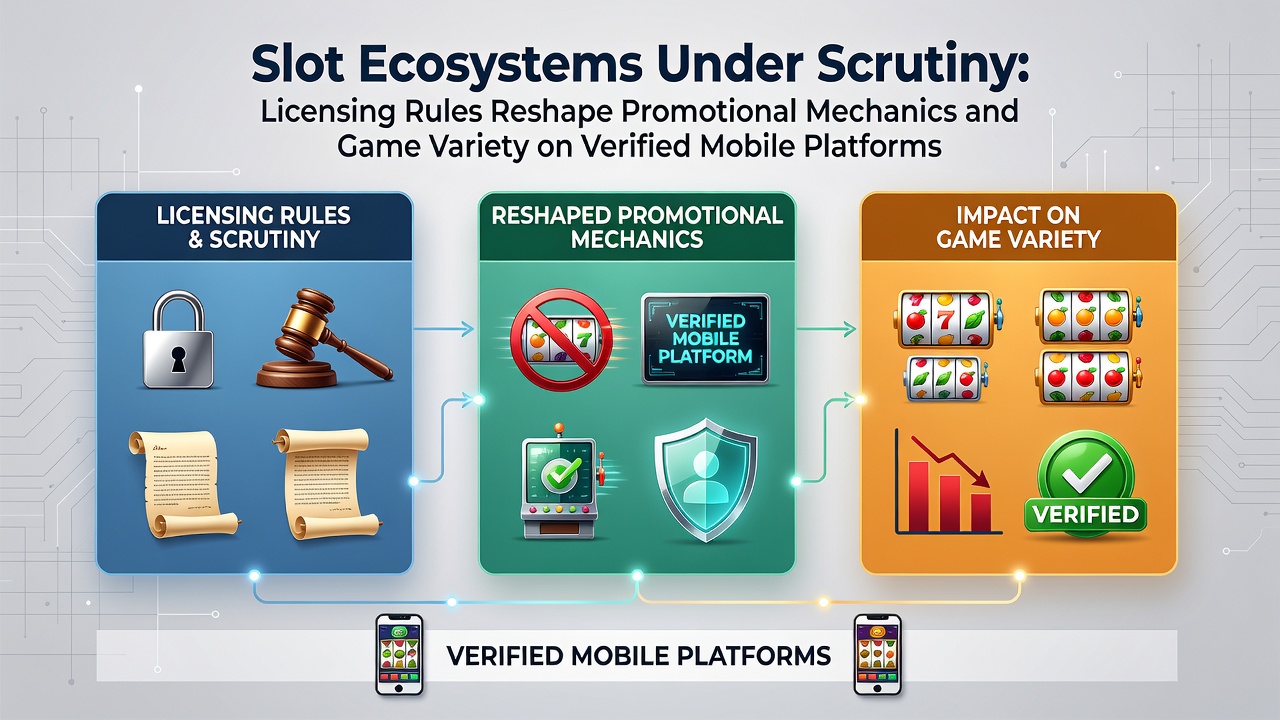
Regulatory bodies across multiple jurisdictions have intensified oversight of slot ecosystems on mobile platforms throughout 2026, with fresh licensing frameworks taking effect in July that directly alter how operators structure promotions and curate game libraries. These changes stem from coordinated efforts by agencies such as the Malta Gaming Authority and the Nevada Gaming Control Board, which now require detailed reporting on bonus structures and game feature disclosures before any title reaches verified users.
Data compiled by the European Gaming and Betting Association shows that mobile slot sessions on licensed platforms increased by 14 percent year-over-year through the first half of 2026, yet promotional mechanics face tighter caps on free spin quantities and wager multipliers. Operators must now submit algorithmic models that predict player exposure before launching campaigns, a requirement that has prompted several providers to simplify bonus triggers and remove layered reward ladders that previously extended play sessions.
Promotional Mechanics Face Standardized Caps
Licensing updates introduced in July 2026 mandate that verified mobile platforms disclose exact terms for every slot promotion within the game interface itself rather than through separate pop-ups or email campaigns. The American Gaming Association reports that operators in regulated U.S. markets have reduced average free spin offers from 50 to 35 spins per activation while eliminating auto-play extensions tied to deposit bonuses. These adjustments align with new transparency rules that treat promotional mechanics as integral components of the licensed game file.
Research from the University of Nevada's International Gaming Institute indicates that simplified bonus structures have produced measurable shifts in session length, with average play time per user dropping by nine minutes on platforms that adopted the new standards early. Operators have responded by introducing time-limited loyalty multipliers instead of volume-based free spin bundles, a format that regulators in Australia have already approved under their updated Interactive Gambling Act guidelines.
Game Variety Narrows Under Content Audits
Content audits conducted by licensing authorities now scrutinize volatility ratings and feature frequency before mobile slot titles receive approval for verified distribution. Platforms must remove or modify games whose mathematical models exceed defined thresholds for rapid bankroll depletion, according to figures released by the Canadian Gaming Association. Several popular titles featuring cascading reels and expanding wild multipliers have undergone re-certification cycles that delay their availability by up to six weeks.
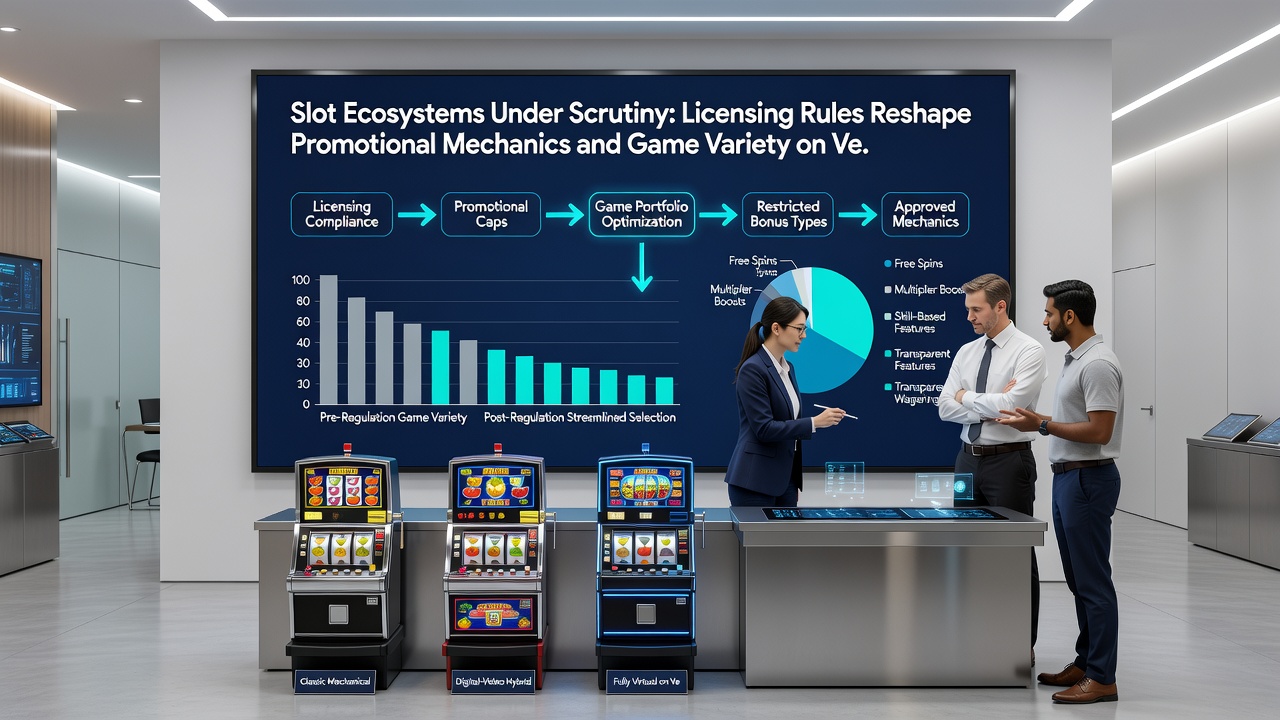
Developers have pivoted toward medium-volatility releases that incorporate skill-based mini-games or progressive elements with slower payout curves. This transition appears in data from the Asia-Pacific Gaming Council, which tracked a 22 percent rise in new medium-volatility titles certified for mobile deployment between March and July 2026. High-volatility games remain accessible but require explicit risk warnings displayed at launch and after every 50 spins.
Mobile Platform Compliance Drives Technical Updates
Verified platforms have implemented real-time compliance engines that cross-reference each spin against current licensing parameters. These systems automatically adjust available game pools when regional rule changes take effect, ensuring users encounter only titles that meet the latest promotional and feature standards. The shift has increased backend processing requirements, yet operators report that integration costs have stabilized since the July rollout began.
Industry reports from the National Council on Problem Gambling highlight that clearer disclosure of game mechanics correlates with higher user retention on platforms that display volatility meters and expected return percentages directly on the selection screen. Mobile operators in multiple markets now embed these metrics as standard interface elements rather than optional toggles.
Conclusion
Licensing frameworks active in July 2026 continue to standardize promotional mechanics and narrow game variety across verified mobile slot ecosystems, with measurable effects on session dynamics and content libraries. Operators adapt by redesigning bonus structures and prioritizing compliant titles, while regulatory bodies maintain ongoing audits to verify alignment with updated standards. These developments reflect coordinated international efforts to balance market expansion with consistent player protections across licensed platforms.