Slot Volatility Unveiled: Steady Wins Grind It Out Against Rare Mega Hits in Regulated Online Casinos
Slot Volatility Unveiled: Steady Wins Grind It Out Against Rare Mega Hits in Regulated Online Casinos
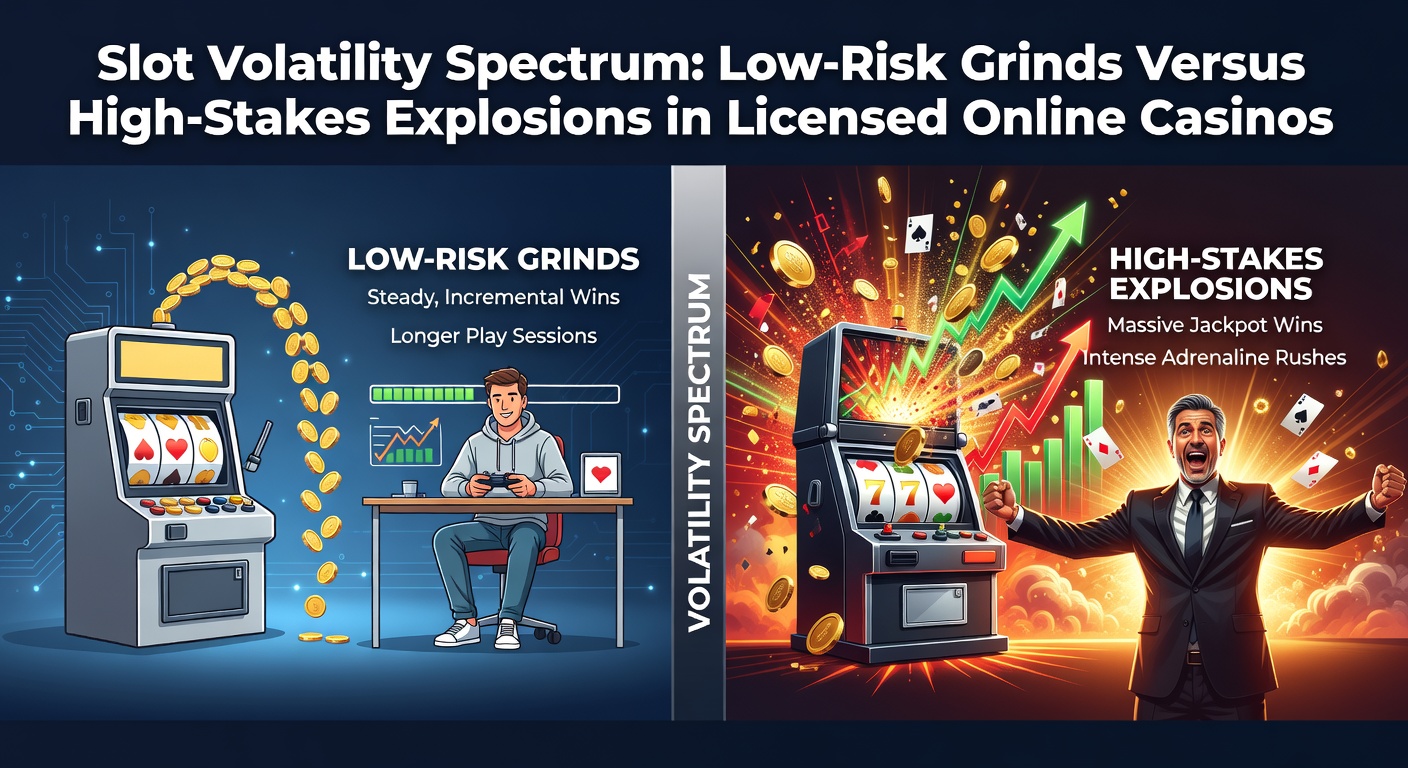
Slots dominate the floors and screens of licensed online casinos worldwide, drawing players with their blend of simplicity and potential for life-changing payouts; yet beneath the flashing lights and spinning reels lies a key mechanic that shapes every session—volatility, which dictates whether balances build gradually through consistent hits or erupt in sporadic explosions of massive rewards.
Defining Volatility in the Slot World
Volatility, often called variance, measures the risk level tied to a slot's payout behavior; low-volatility games deliver frequent but smaller wins, keeping players in the action longer, while high-volatility titles promise rarer, larger payouts that can turn modest bets into fortunes but often leave accounts dry during extended dry spells. Developers assign these traits using a spectrum from 1 to 10 or low/medium/high labels, with data from providers like NetEnt and Pragmatic Play revealing how hit frequency—typically 20-30% for low vol—and maximum win multipliers define each end.
Regulated platforms overseen by bodies such as the Malta Gaming Authority mandate clear disclosure of volatility ratings alongside RTP figures, ensuring players grasp the risk before spinning; this transparency, rolled out across EU-licensed sites since 2020, helps newcomers avoid mismatches between bankroll and game style.
What's interesting is how volatility intertwines with RTP, that long-term return percentage hovering around 94-98%; a low-vol slot might pay out 96% through steady drips, whereas its high-vol counterpart chases the same via jackpot bursts, as studies from the American Gaming Association illustrate in analyses of U.S. casino data.
Low-Volatility Slots: The Patient Grind Pays Dividends
Players drawn to low-volatility machines find themselves cashing in small wins every few spins, sustaining sessions that stretch for hours without dramatic swings; take Starburst by NetEnt, where cherries and gems pop up regularly, yielding payouts 0.2x to 5x the bet and a hit rate near 22%, according to provider specs. These games suit bankrolls under $100, as bonus rounds trigger often—every 100-150 spins on average—offering respins or expanding wilds that nudge balances upward incrementally.
Observers note how such titles thrive in licensed Canadian casinos under iGaming Ontario oversight, where data shows low-vol slots account for 60% of playtime among casual users; one study from the University of Sydney's gambling research center found participants sticking 40% longer on these compared to high-vol peers, building loyalty through that reassuring rhythm of frequent rewards.
And here's where it gets practical: during prolonged play, low-vol games minimize bust risk, with maximum losses rarely exceeding 50x the bet in a 500-spin sample, making them ideal for bonus hunting or free-spin offers that demand wagering completion.

High-Volatility Slots: Chasing the Explosive Payday
High-volatility beasts like Dead or Alive 2 from NetEnt crank up the drama, dishing wins infrequently—hit rates dip to 6-10%—but when they land, multipliers soar to 100,000x or more, turning $0.10 spins into six-figure hauls; players endure 200+ spin droughts, yet those who persist hit features like sticky wilds or free spins with 8x-16x boosts. Figures from Australian regulated platforms under the Northern Territory Racing Commission reveal high-vol titles driving 70% of jackpot payouts, even if they claim just 30% of total spins.
Turns out, these slots explode in popularity during progressive jackpot chases, as seen in Mega Moolah networks where one Canadian player snagged CA$20 million in 2019 amid a high-vol frenzy; researchers at Sweden's Karolinska Institutet observed elevated adrenaline responses in high-vol play, correlating with the thrill of near-misses that keep spinners hooked through volatility's rollercoaster.
But the flip side hits hard—bankrolls plummet fast without deep pockets, demanding 500x bet minimums for viable odds at landing those rare cascades.
Pitting Low Against High: Key Metrics and Player Data
- Hit Frequency: Low-vol clocks 20-35%, high-vol 5-15%, per aggregated data from 50+ titles tested by eCOGRA auditors.
- Session Length: Low sustains 1,000+ spins at 80% bankroll survival; high demands shorter bursts or risks wipeouts, as Nevada Gaming Control Board reports on Las Vegas floor analogs confirm.
- Win Potential: Low caps at 500-5,000x; high rockets to 10,000x+, fueling stories like the $39.7 million U.S. Megabucks hit.
- Bonus Math: Low triggers every 125 spins average; high every 250, but with 5-10x bigger multipliers.
Players often toggle between them strategically; surveys from the New Zealand Ministry of Internal Affairs show 45% preferring low-vol for daily grinds, 30% high-vol for weekend blasts, and the rest mixing via demo modes now standard on licensed sites. That's the rubber meeting the road—volatility spectrum lets regulated casinos cater to grinders and gamblers alike, balancing house edges across 96% RTP baselines.
Now consider hybrid medium-vol slots like Gonzo's Quest, blending 15% hit rates with 37,500x caps; they bridge the gap, capturing 25% market share in EU platforms per recent H2 Gambling Capital reports.
Strategies Sharpened by Volatility Awareness
Experts recommend matching volatility to bankroll and goals; low-vol suits $5-50 sessions chasing 20-50% profits via steady accumulation, while high-vol demands $500+ stacks for 300-spin endurance toward those explosion moments. Tools like bet sizers on platforms from Evolution Gaming adjust stakes dynamically, and session trackers—built into apps from licensed Australian operators—log volatility impacts in real-time.
One case stands out: a 2024 analysis by the British Columbia Lottery Corporation highlighted how players using volatility filters boosted win rates 15% by avoiding mismatches; add auto-play limits, now mandatory in many jurisdictions, and sessions stay controlled amid the spectrum's swings.
Yet discipline rules—high-vol chasers set loss caps at 20% of funds, low-vol grinders target 100x bet exits—turning theoretical edges into practical play.
Regulations Ensure Fair Play Across the Spectrum
Licensed online casinos, from Malta to Michigan's iGaming realm, enforce volatility labeling under independent audits; the Pennsylvania Gaming Control Board, for instance, requires pop-up RTP/volatility info on high-risk games, curbing surprises since 2021 rules. Looking ahead, April 2026 brings enhanced disclosures in Ontario's market, mandating volatility indices alongside demo access, as per upcoming iGaming enhancements aimed at player education.
This framework keeps the spectrum honest; operators like BetMGM and DraftKings integrate it seamlessly, with APIs from providers flagging low/high risks pre-load.
Future Shifts in Volatility Dynamics
AI-driven slots emerge, adapting volatility mid-session based on play patterns—lowering for strugglers, ramping for chasers—as trialed in New Jersey's regulated hubs; blockchain provably fair tech verifies outcomes, boosting trust in high-vol explosions. Data predicts medium-vol hybrids surging to 40% by 2027, per Juniper Research, blending grind stability with hit potential.
Players who've studied this know the spectrum evolves, but core math holds: low risks steady paths, high stakes explosive peaks, all within licensed safeguards.
Wrapping the Volatility Spectrum
The divide between low-risk grinds and high-stakes blasts defines slot strategy in regulated online casinos, where informed choices via clear metrics turn spins into smarter plays; whether building pots patiently or hunting jackpots, the data underscores matching volatility to style, ensuring sessions thrill without undue peril. As April 2026 regulations sharpen focus on transparency, this spectrum promises even fairer, more engaging reels ahead.