Tournament Structures Fueling Retention in Integrated Betting and Gaming Platforms
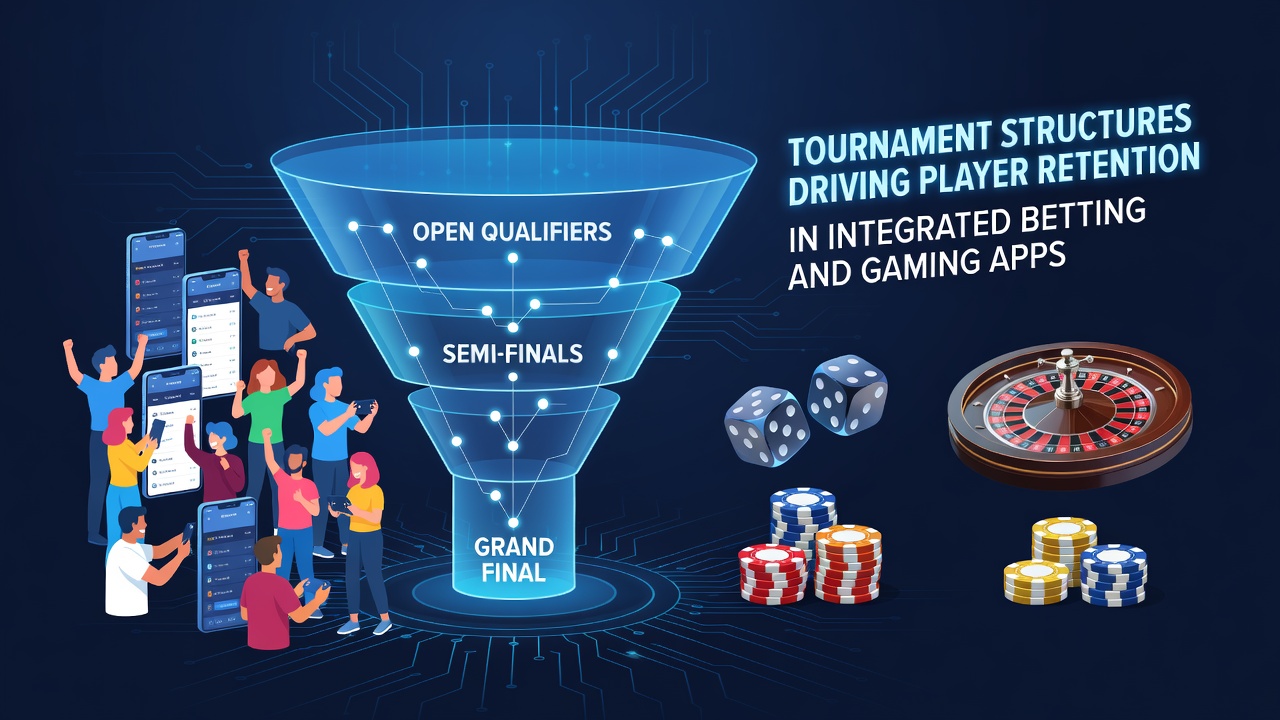
Integrated betting and gaming platforms combine sports wagering with casino-style games under one interface, and tournament structures have emerged as a key mechanism for sustaining user activity over extended periods. These formats create recurring engagement cycles through competitive elements such as leaderboards, timed challenges, and prize pools that encourage repeated logins and participation. Data from industry reports shows that platforms employing structured tournaments report higher session frequencies compared to those relying solely on standard gameplay options.
Core Tournament Formats in Hybrid Environments
Daily and weekly tournaments operate on fixed schedules where players accumulate points from slots, table games, or sports bets to climb rankings, with rewards distributed at the end of each period. Freeroll events allow entry without upfront stakes yet distribute real-value prizes, drawing in both new and returning users who seek low-risk competitive opportunities. Multi-stage formats progress participants from qualifiers into finals, extending engagement across several days or weeks while integrating various game types within a single competition thread.
Hybrid platforms link these tournaments across betting and gaming sections, so points earned from a football wager can contribute to a leaderboard shared with slot spin results. This cross-category integration keeps users exploring different features rather than remaining in one vertical, and observers note that such connectivity reduces churn rates as players pursue unified rankings. By June 2026 several major operators had expanded these crossovers to include live dealer tables alongside esports betting, reflecting broader adoption of unified competition systems.
Retention Mechanisms Backed by Participation Metrics
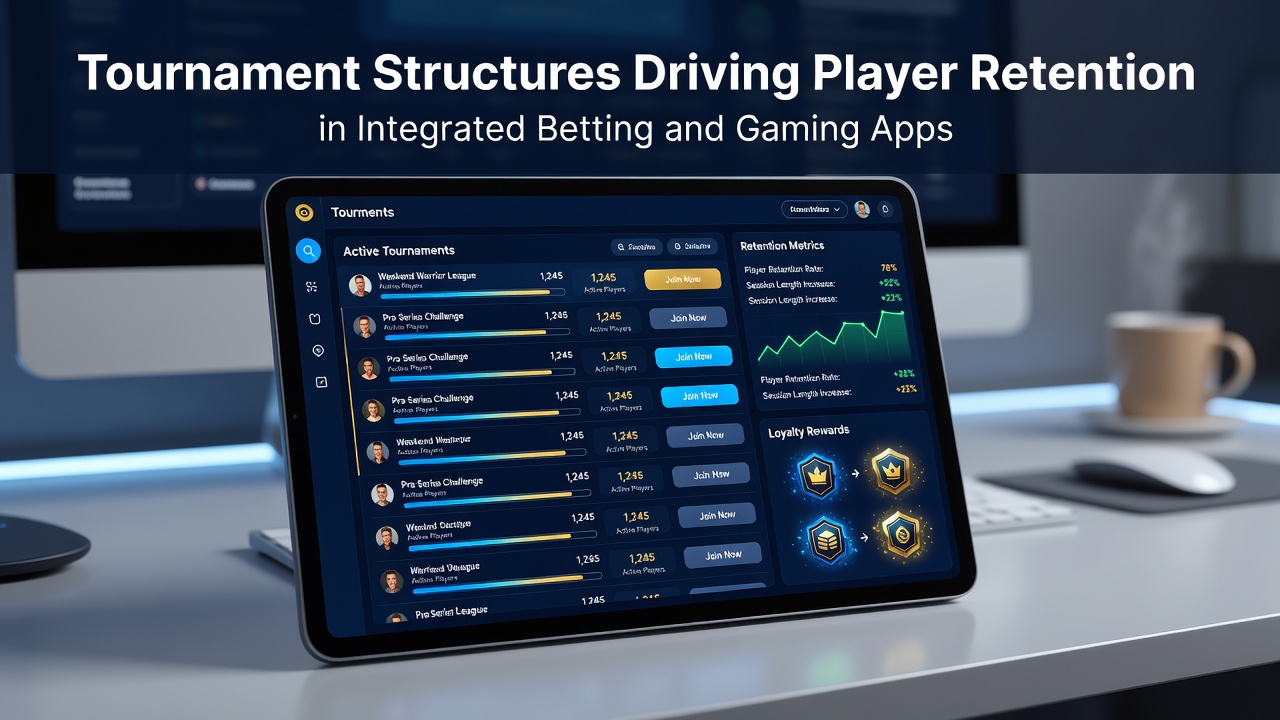
Research from the American Gaming Association indicates that tournament participants exhibit session lengths averaging 40 percent longer than non-participants, driven by the visibility of real-time standings and progressive rewards. Leaderboard updates delivered through push notifications prompt users to return at specific intervals, while tiered prize structures reward consistent performance across multiple events rather than isolated wins. These elements transform one-time visits into habitual patterns, as users track progress toward cumulative bonuses or exclusive access levels.
Case examples from North American operators reveal that platforms introducing weekly sports-plus-slots tournaments saw a measurable uptick in seven-day retention figures within the first quarter of implementation. The Nevada Gaming Control Board has documented similar patterns in regulated markets where operators must report activity metrics, confirming that structured competitions correlate with sustained account activity. What's interesting is how social sharing features attached to tournament results amplify this effect, as users invite contacts to compete directly within the app ecosystem.
Technical Integration and Regulatory Context
Modern platforms use real-time data synchronization to merge results from disparate game engines into single tournament scoring systems, ensuring fairness across betting markets and random-number-generator titles. Developers incorporate anti-collusion algorithms that monitor for coordinated play patterns, maintaining integrity while supporting large participant pools. Regulatory frameworks in multiple jurisdictions require transparent prize allocation and responsible gaming tools, such as session limits tied to tournament entry, which platforms embed directly into the competition interface.
Australian regulatory reports highlight how operators in that region have adapted tournament rules to comply with local harm-minimization standards, resulting in features like mandatory breaks between tournament rounds. European operators, guided by the European Gaming and Betting Association guidelines, have tested progressive jackpot tournaments that span multiple countries under unified rulesets. These adaptations demonstrate how tournament structures evolve to meet both commercial retention goals and compliance requirements without compromising user experience.
Future Directions and Platform Adaptations
Emerging formats incorporate AI-driven matchmaking that pairs participants of similar skill levels, increasing perceived fairness and encouraging continued involvement. Seasonal championship series aggregate performance across months, culminating in large-scale events that coincide with major sports calendars or game releases. Platforms continue refining notification timing and reward personalization based on aggregated behavioral data, allowing tournaments to adapt dynamically to user preferences.
Analysts tracking these developments point to sustained growth in hybrid app adoption through mid-2026, with tournament features positioned as central to differentiation in competitive markets. Operators who refine these structures based on participation analytics maintain stronger user bases, as evidenced by consistent reporting from regulated environments worldwide.
Conclusion
Tournament structures provide measurable pathways for retention in integrated betting and gaming platforms by combining competition, cross-category integration, and recurring reward cycles. Evidence from regulatory bodies and industry associations across regions confirms their role in extending user engagement, while technical and compliance adaptations ensure these formats remain viable as markets evolve. Platforms that continue refining these systems position themselves to support long-term activity patterns among diverse player segments.