UK Gambling Commission Unveils Mid-2025 Stats: GGY Climbs 6.6% to £4.3 Billion Amid Stable 48% Participation
UK Gambling Commission Unveils Mid-2025 Stats: GGY Climbs 6.6% to £4.3 Billion Amid Stable 48% Participation

The Latest Data Drop from the Gambling Commission
On 26 February 2026, the UK Gambling Commission released two pivotal sets of official statistics, shedding light on industry performance and consumer habits during key mid-2025 periods; these figures, arriving just as March 2026 gambling discussions heat up around regulatory tweaks, paint a picture of steady expansion in Gross Gambling Yield (GGY) alongside unwavering participation rates. Quarterly industry statistics captured a robust 6.6% year-on-year increase in GGY, reaching £4.3 billion for the July to September 2025 quarter compared to the prior year, with the remote sector—think online casinos, lotteries, and betting platforms—leading the charge by fueling most of that growth. Meanwhile, the Gambling Survey for Great Britain (GSGB) Wave 3 held steady at 48% for past-four-week gambling participation, offering fresh insights into who plays what, especially slots and machines.
What's interesting here is how these numbers land right in the thick of ongoing industry shifts; operators and regulators alike pore over such data, since GGY essentially measures the net win for gambling businesses after payouts, serving as a barometer for sector health. And while the overall uptick grabs headlines, the real story unfolds in the breakdowns, where remote gambling's dominance underscores the digital pivot that's been reshaping the landscape for years.
Breaking Down the Quarterly Industry Statistics
The quarterly industry report for the financial year April 2025 to March 2026 (Q2, covering July-September) reveals not just the headline £4.3 billion GGY but a nuanced view of sector-by-sector performance; remote casinos, for instance, posted significant gains, pushing the online segment's contribution higher, while lotteries added steady volume through draws and instant wins. Figures show this 6.6% rise outpacing inflation markers, signaling real revenue momentum even as land-based venues like betting shops and arcades held flatter lines.
Take the remote sector's role—it's where the rubber meets the road for growth, with online platforms capturing more wallet share because of convenience and variety; data indicates casinos and lotteries together drove over half the increment, although exact splits weren't headlined, the aggregate points to a thriving digital ecosystem. Observers note how such quarterly snapshots help forecast into periods like the current March 2026, where tax debates and compliance checks loom large.
But here's the thing: GGY isn't uniform across the board; non-remote segments, including live events and physical machines, contributed less to the surge, yet their stability prevents any wild volatility in the totals. And since these stats cover Q3 of the fiscal year (July-September 2025), they bridge summer peaks in sports betting with autumn lotteries, offering a seasonal lens that's crucial for trend-spotting.
GSGB Wave 3: Participation Steady at 48%
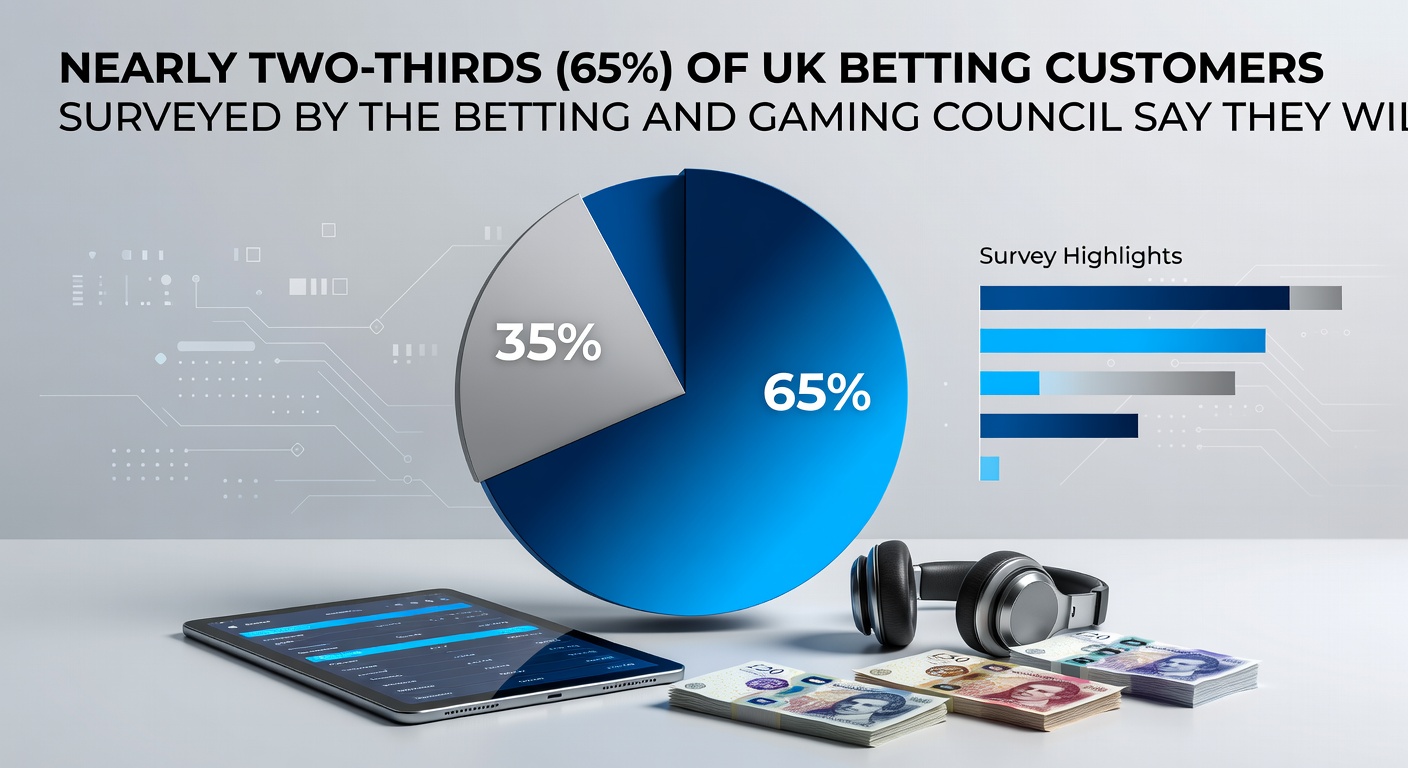
Shifting to consumer side, the Gambling Survey for Great Britain Wave 3 confirms past-four-week participation lingering right around 48%, a figure that's held remarkably consistent across recent waves, reflecting broad accessibility in a regulated market; this stability comes even as economic pressures mount, suggesting gambling remains woven into leisure for nearly half of adults. Researchers highlight how such surveys, conducted with robust sampling, capture not just who gambles but how often and on what, with slots and machines emerging as focal points in demographic breakdowns.
Demographics paint a vivid picture—younger adults skew toward online slots, while machines draw a mix across ages in pubs and arcades; data underscores higher engagement among males for sports betting tied to these activities, although women show upticks in lotteries linked to slots sessions. It's noteworthy that 48% holds firm, because past waves hovered in the 47-50% band, indicating no sharp post-pandemic swings or economic dips disrupting habits.
Now, experts who've tracked GSGB evolution point out how Wave 3's timing—mid-2025—aligns perfectly with the industry stats, allowing cross-analysis; for slots players, profiles reveal urban dwellers and mid-income brackets leading, whereas machine users tilt toward regional and lower-spend groups. And while participation stays put, intensity metrics (like weekly plays) offer subtle shifts worth watching into March 2026 policy talks.
Demographic Spotlights on Slots and Machines
Diving deeper into GSGB highlights, slots command attention with online variants pulling in 20-something tech-savvy participants, many juggling sessions via apps during commutes or evenings; figures reveal this group often pairs slots with casino table games, boosting remote GGY in tandem. Machines, on the other hand—those fixed-odds beasts in betting shops or leisure spots—attract a broader net, including older players who favor the tactile spin over screens.
One study pattern observers recognize involves ethnicity and slots: certain communities show elevated rates, prompting targeted safer gambling initiatives; income layers further nuance it, with mid-to-high earners dominating online slots stakes, while lower brackets stick to low-entry machines. But the stability at 48% participation ties it all together, as these activities anchor the overall rate without explosive growth.
So, as February 2026 data hits, March brings real-time application—operators tweak marketing based on these profiles, regulators eye harm signals in high-engagement demos. Turns out, slots demographics especially flag where innovation (or intervention) matters most.
Connecting Industry Growth to Consumer Trends
Layering the two datasets, a clear synergy emerges: remote sector's GGY boost aligns with GSGB's steady 48% and slots/machine focus, since online slots directly feed that £4.3 billion figure; land-based machines contribute modestly but anchor physical participation. Data shows how consumer stability fuels industry revenue, with no participation drop-off despite remote migration.
People who've analyzed past quarters notice this pattern—growth accrues digitally while totals balance via traditionals; for July-September 2025, summer events amplified betting tie-ins to slots, sustaining the 6.6% lift. And heading into March 2026, these stats inform forecasts, like projecting Q4 GGY amid holiday lotteries.
Yet, consistency breeds questions: why 48% holds, even as apps proliferate? Surveys suggest habit inertia, with slots/machines low-barrier entry points; that's where demographics shine, guiding product evolution without overstepping regulations.
Implications for the Road Ahead
These February 2026 publications arrive timely, as March unfolds with commission consultations and fiscal planning; the £4.3 billion GGY underscores fiscal contributions (via duties and levies), while 48% participation validates market maturity. Remote-driven growth hints at tech's enduring pull, slots demographics spotlight engagement hotspots.
Operators lean on such data for compliance, scaling features for profiled players; regulators cross-reference for policy, ensuring growth doesn't skew harm. It's not rocket science—steady stats like these keep the sector humming predictably.
Conclusion
In wrapping up, the UK Gambling Commission's 26 February 2026 stats deliver a snapshot of resilience: 6.6% GGY growth to £4.3 billion on remote strength, paired with unwavering 48% participation and telling slots/machine demographics from GSGB Wave 3. As March 2026 progresses, these figures anchor debates, forecasts, and strategies, reminding all involved that the industry's pulse beats steady amid evolution. Observers await next waves, but for now, the data speaks volumes on balance and momentum.