UK Study Flags Sharp Rise in Gambling Activity and Harm Signals at 2026 Kickoff
UK Study Flags Sharp Rise in Gambling Activity and Harm Signals at 2026 Kickoff

Early 2026 Gambling Boom Sets Stage for Concerns
A fresh UK study, released in March 2026, spotlights a notable uptick in gambling activity right at the year's start; transaction volumes climbed 7% in January 2026 compared to January 2025, while spending jumped 9% over the same period, according to data from the report. Researchers attribute this surge partly to building excitement around major sports events like the FIFA Men’s World Cup and the Champions League, events that draw massive betting interest year after year. And as March 2026 unfolds, these figures paint a picture of heightened engagement, one that experts have observed often precedes spikes in related risks.
What's interesting here is how the numbers align with seasonal patterns; January typically sees a post-holiday lull in some sectors, yet gambling bucks that trend this time, with volumes and spending both accelerating sharply. Observers note that such increases, while not uncommon before big tournaments, carry weight because they coincide with early warning signs of harm. The study, drawing from comprehensive transaction data across UK operators, reveals not just raw growth but a shift in behavior that demands attention.
Survey Uncovers Gamblers' Intentions Amid Sports Hype
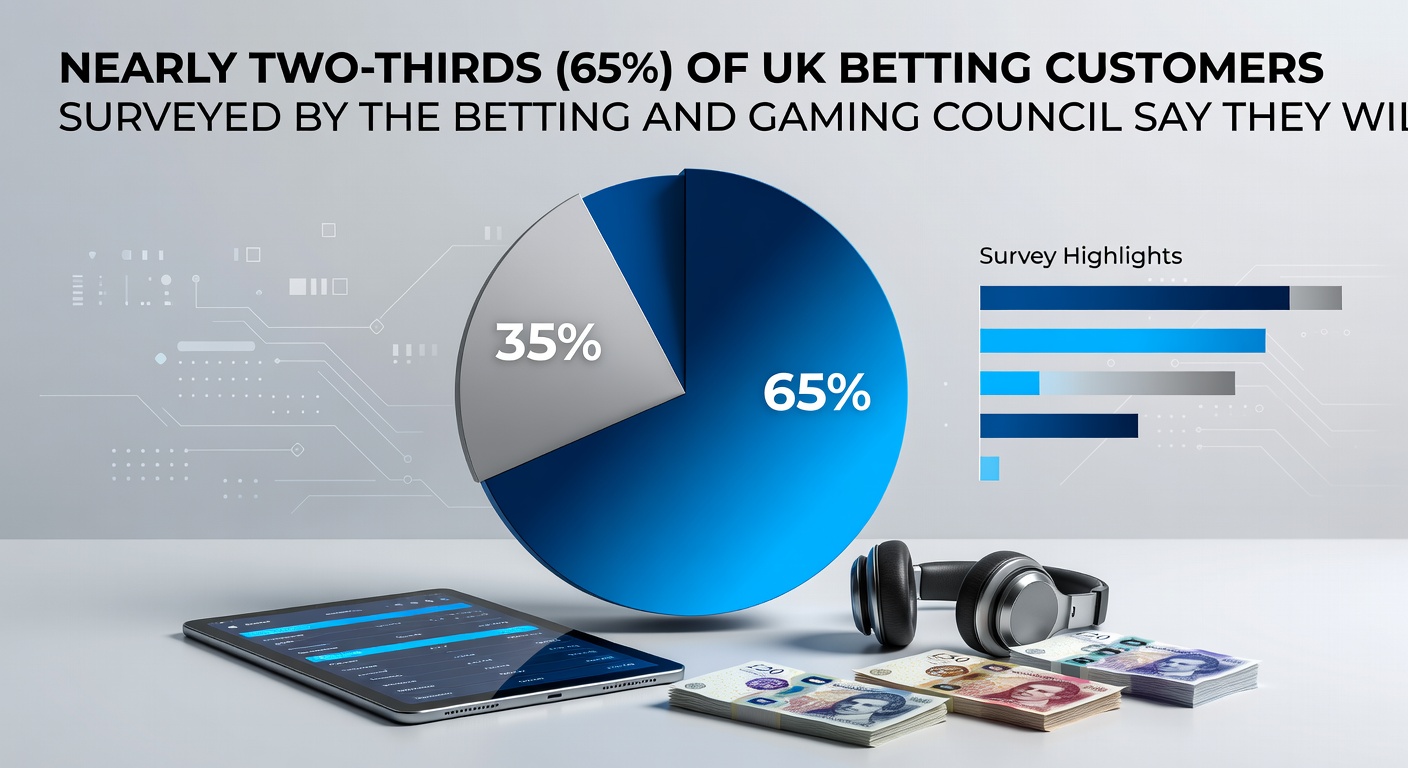
Polls of 2,000 gamblers provide deeper insight into what's driving this momentum; 68% of respondents say they plan to ramp up their betting during upcoming events like the World Cup and Champions League, a figure that underscores the pull of high-stakes matches. But here's the thing: alongside that enthusiasm, 10% report feeling urged to chase losses, that classic trap where one bet leads to another in hopes of breaking even, while 17% admit to gambling specifically to cover bills, highlighting financial pressures bubbling under the surface.
Those who've analyzed similar surveys before know this mix isn't rare; excitement for events like the FIFA Men’s World Cup, scheduled to captivate global audiences, often amplifies wagers, yet the chase-loss inclination and bill-paying motives signal vulnerability. Take one group of participants in the survey who cited Champions League knockout stages as a trigger—they're planning bigger stakes not just for fun, but amid everyday strains, which data indicates can escalate quickly. And since these polls capture sentiments in early 2026, they offer a snapshot right as March reports start circulating, making the findings feel immediate and pressing.
Figures like these, broken down by demographics in the full report, show younger bettors particularly leaning toward increased activity during sports peaks, whereas older groups express more caution around loss-chasing, although both segments report elevated spending intentions. It's noteworthy that 17% tying gambling to bills echoes patterns from prior years, but the scale here, against a 9% spending rise, adds urgency.
GamCare Data Reveals Jump in Treatment Demand
Complementing the transaction stats, GamCare—a key support organization—logged a 48% increase in treatment referrals during January 2026 versus the prior year, a stark indicator that harm signals are flashing brighter. People reaching out for help often do so after hitting personal limits, and this spike suggests the January activity boom translated into real distress for some. Experts tracking these metrics point out that such referral surges frequently follow spending upticks, especially when major events loom on the horizon.
Now, GamCare's role in this landscape involves helplines, counseling, and recovery programs, so a near-50% jump isn't just a number—it's hundreds more individuals seeking intervention early in the year. And while the study links this to the broader gambling rise, it also notes how anticipation for the World Cup and Champions League might intensify the trend, as bettors pile on during live action. Those who've studied referral patterns over time observe that January 2026 stands out, particularly when paired with the 7% volume growth, because it hints at problems brewing before the sports calendar explodes.
Connecting the Dots: Activity, Intent, and Harm
Transaction data up 7%, spending ahead 9%, 68% eyeing more bets, 10% chasing losses, 17% funding bills, and GamCare referrals soaring 48%—these threads weave together a narrative of expansion laced with risks, all set against 2026's sports-packed slate. Researchers compiling the study emphasize how the FIFA Men’s World Cup, with its global draw, historically correlates with UK betting peaks; Champions League ties add domestic flavor, pulling in fans who wager on every goal and upset. Yet the survey's revelations about intentions turn that hype into something more layered, since planning bigger bets often collides with those chase-loss urges.
Consider cases from the poll where everyday gamblers describe upping stakes for World Cup qualifiers while juggling finances—that's where the rubber meets the road, as 17% gambling for bills illustrates pressures that transaction growth exacerbates. And GamCare's 48% referral hike confirms the fallout, with data showing more calls from sports bettors specifically. As March 2026 brings these insights to light, the timing feels spot-on, coinciding with pre-event buzz and allowing operators and regulators to respond proactively.
Broader figures, like those from related reports, align here; for instance, one in ten gamblers averaging £745 monthly spends, remind observers of the financial stakes involved, although this study zeros in on early-year dynamics. It's not rocket science: when volumes rise 7% and spending 9%, paired with 68% planning more action, harm indicators like GamCare's follow suit, creating a chain reaction ahead of tournaments.
Sports Events as Catalysts in the Data
The FIFA Men’s World Cup looms large in the study's context, promising expanded markets from futures to live in-play bets, while Champions League progresses keep momentum rolling through spring. Data indicates UK gamblers historically flood these, with January's uptick serving as a prelude; 68% intending more wagers directly ties to this, as survey takers reference specific matches. But 10% feeling the pull to chase losses adds caution—losses mount fast in volatile events like these, and the 17% bill-paying subset shows how it spills into real life.
Experts who've dissected event-driven gambling note that transaction volumes often swell pre-tournament, just as seen in the 7% January rise, while spending's 9% leap reflects deeper pockets opening up. GamCare's 48% referral surge underscores the downside, with many referrals stemming from sports-related episodes. And since March 2026 reporting captures this fresh, it equips stakeholders with timely intel, from operators monitoring patterns to support groups scaling up.
One researcher highlighted in follow-ups how these metrics mirror past World Cups, where similar intentions led to harm peaks; others point to Champions League data showing sustained engagement. The reality is, with bills in the mix for 17%, the growth isn't purely celebratory—it's fraught, demanding vigilance as calendars fill.
Implications from the January Snapshot
Zooming out on January 2026, the study's blend of transaction stats, survey sentiments, and GamCare trends offers a multifaceted view; volumes at +7% signal broader participation, spending +9% deeper involvement, and those poll figures—68% more bets, 10% chasing, 17% for bills—reveal mindsets fueling it. Harm doesn't wait for events; it simmers early, as the 48% referral jump proves, often hitting sports enthusiasts hardest.
People tracking this space see parallels to prior surges, yet 2026's early markers stand taller, perhaps due to economic undercurrents or event scale. Take the survey cohort planning World Cup wagers while eyeing losses—that dynamic, backed by hard spending data, explains GamCare's influx. And with March 2026 amplifying these reports, the conversation gains traction right when it matters most.