UK Treasury Sidesteps DCMS Warnings Ahead of Steep Gambling Tax Increases
UK Treasury Sidesteps DCMS Warnings Ahead of Steep Gambling Tax Increases

The Autumn Budget's Bold Move on Gambling Duties
Observers note how the UK Treasury pressed forward with significant gambling tax hikes in the Autumn Budget, announcing a jump in the remote gaming duty from 21% to 40% set to take effect in April 2026, while layering on a new 25% general betting duty for remote sports betting—excluding horse racing—from April 2027; this came despite internal government cautions, and as March 2026 rolls around, industry watchers keep a close eye on the rollout's early ripples.
What's interesting is that these changes target online operators head-on, aiming to capture more revenue from a sector that's grown massively over the years, yet experts point out the Treasury's decision unfolded even as the Department for Culture, Media and Sport (DCMS) flagged potential pitfalls in their pre-budget analysis.
The ball's in the operators' court now, with firms scrambling to adjust strategies months ahead of the April deadlines, and that's where the rubber meets the road for compliance and market shifts.
DCMS Pushes Back on Revenue Forecasts
DCMS analysis, obtained through a Freedom of Information request, directly questioned the ambitious £2bn revenue projection drawn from a Social Market Foundation report; researchers there had touted that figure as achievable, but DCMS officials highlighted discrepancies, arguing the numbers overlooked real-world behaviors like bettors drifting toward unlicensed platforms.
And here's the thing: while the Treasury leaned on that higher estimate to justify the hikes, DCMS urged a more cautious approach, warning that over-optimism could backfire spectacularly; this internal debate simmered right up to the budget reveal, yet the hikes landed anyway.
People who've followed fiscal policy in gaming sectors often discover such tensions between departments, where culture and sport watchdogs clash with revenue hawks over long-term sustainability versus short-term gains.
OBR Enters the Fray with Tempered Projections
The Office for Budget Responsibility (OBR) stepped in with its own forecasts, pegging the expected haul at a more modest £1.1bn over the coming years; this figure accounts for behavioral changes, including a notable risk of customers shifting to black-market alternatives that dodge taxes altogether, and turns out, OBR economists baked in those contingencies where DCMS had sounded early alarms.
But it's not just about the bottom line—OBR reports underscore how higher duties might squeeze legitimate operators, potentially fueling underground growth; those who've studied tax elasticity in vice industries know this pattern all too well, as punters chase better odds offshore when costs climb.
Take one case from recent memory where similar hikes elsewhere prompted a 15-20% dip in licensed activity; experts observe parallel risks here, especially with remote betting's borderless nature making evasion easier than ever.
Job Losses and Investment Chill Loom Large
Concerns didn't stop at revenue—DCMS flagged widespread job losses across the gambling ecosystem, from tech developers in London to call center staff up north; with thousands employed directly and indirectly, even a 5-10% contraction could ripple through communities already leaning on these roles.
Reduced investment follows suit, as operators redirect funds from UK expansion to lower-tax jurisdictions, and that's significant because fresh capital drives innovation like safer gambling tools or faster apps; without it, the sector stagnates, while horseracing—spared the new duty—still feels the pinch through diminished sponsorships and attendance tied to betting volumes.
Horseracing stakeholders, in particular, worry about a domino effect, since sports betting fuels prize money and track upkeep; one study from industry analysts revealed how past duty tweaks shaved millions from levy pots, leaving courses scrambling for survival.
Industry Voices Amplify the Warnings
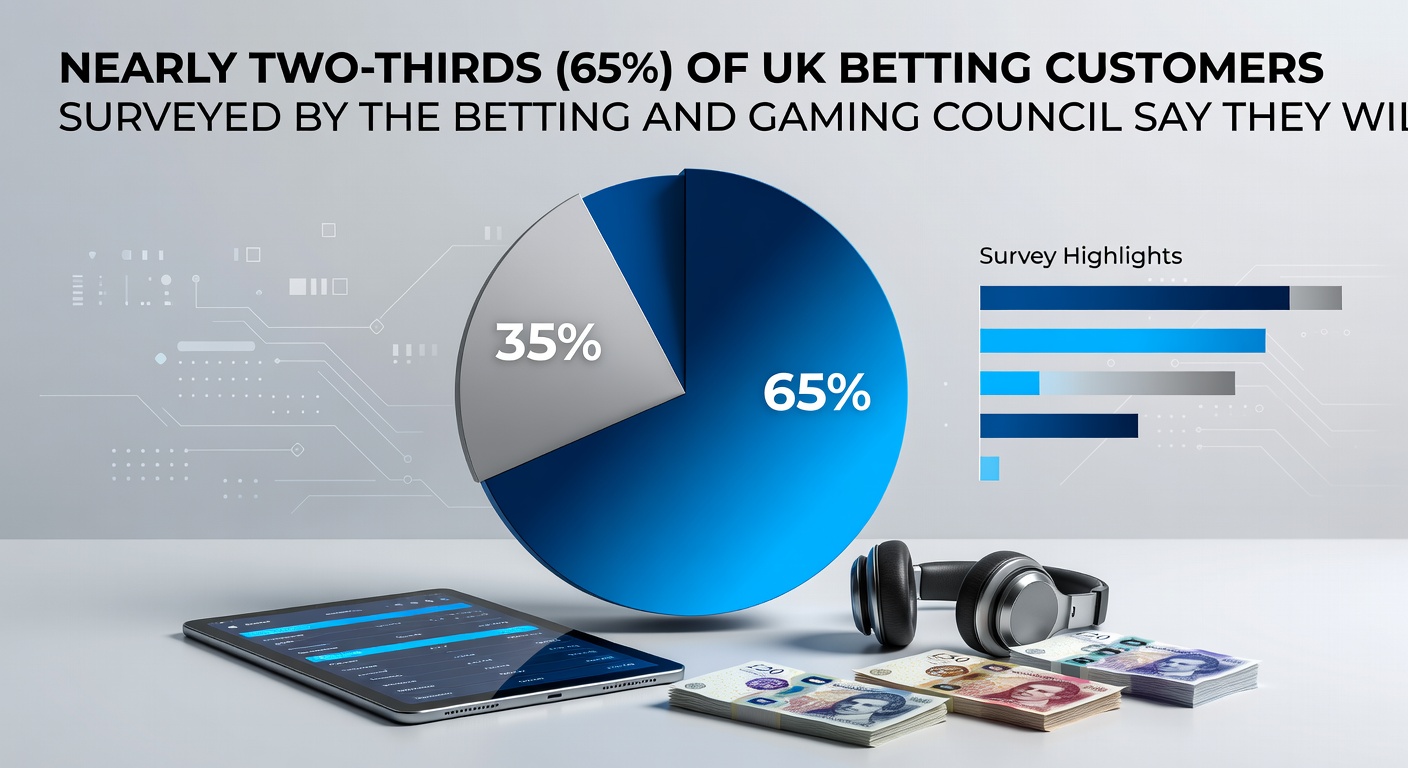
The Betting and Gaming Council (BGC) led the charge among representatives, spotlighting how unlicensed operators stand ready to poach customers disillusioned by steeper prices; BGC data shows these offshore sites already lure a chunk of play, and post-hike, that could balloon if safeguards lag.
Yet the Treasury moved ahead regardless, betting—pun somewhat intended—that enforcement and consumer loyalty to regulated brands would hold the line; observers note this gamble hinges on swift action from the Gambling Commission, which now faces ramped-up monitoring demands as April 2026 nears.
It's noteworthy that BGC's alerts echo DCMS points almost verbatim, suggesting a unified front from those on the ground versus Whitehall's top-down calculus; and in March 2026, with budgets tightening across government, the stakes feel higher than usual.
- DCMS analysis questioned the £2bn projection head-on.
- OBR dialed it back to £1.1bn amid illegal market risks.
- Job losses threaten thousands in the supply chain.
- Horseracing levy and sponsorships hang in the balance.
- BGC warns of offshore flight.
Broader Ripples in the Gambling Landscape
So now, as operators digest the news midway through March 2026, adjustments accelerate—some hiking minimum stakes subtly, others bolstering loyalty perks to stem churn; this is notable because it tests the UK's regulated model, where player protection meets fiscal ambition in a delicate balance.
Experts who've tracked European parallels, like Italy's duty escalations, find that while initial revenues spike, long-term yields often flatten as markets fragment; the writing's on the wall if black-market growth outpaces collections, and DCMS's ignored voice underscores that disconnect.
That said, Treasury defenders point to ballooning gambling participation rates driving the need for fair shares, yet without addressing DCMS caveats, the full picture remains murky; people in the trenches, from bookies to breeders, brace for what's next.
Conclusion
The Treasury's choice to overlook DCMS warnings before greenlighting these gambling tax hikes—from the remote gaming duty leaping to 40% in April 2026 and the 25% sports betting levy kicking in 2027—spotlights deep divides in government forecasting; OBR's £1.1bn estimate versus the £2bn aspiration reveals the gamble at play, compounded by threats of job cuts, investment droughts, horseracing woes, and offshore drifts highlighted by the Betting and Gaming Council.
With March 2026 upon us, the sector watches intently as these policies edge closer to reality, and while revenue goals propel the push, the overlooked analyses serve as a stark reminder of unintended fallout in regulated industries; stakeholders across the board—from policymakers to punters—now navigate this shifted terrain, where cautionary notes linger amid the fiscal drive.